
Buy Rucksacks | Waist Packs Online in India at Best Price
Outdoor Goats carries rucksacks, hiking backpacks, and waist packs from 4 brands, Tripole, NLTW, Adventure Worx, and Sea to Summit, spanning 8 litres up to 120 litres. The range runs from compact day packs and tactical waist bags through to full expedition rucksacks with detachable daypacks and rain covers.
How Much Capacity Do You Actually Need
Capacity isn't about how much you can fit, it's about trip duration and load weight. As a rough guide: 20 to 30 litres covers day hikes (water, snacks, a light jacket, first aid). 35 to 50 litres suits 2 to 3 day treks with a sleeping bag and light gear, around 8 to 12 kg total. 55 to 65 litres is the range most serious 5 to 7 day Himalayan treks need, once a shared tent, sleeping bag, and several days of food are factored in. Beyond 70 litres is expedition territory, multi-week trips only, not something most Indian trekkers need to buy into. The most common mistake is oversizing, a bigger pack invites overpacking, and a 55L pack that's genuinely full carries better than a 75L pack that's half empty.
The Hip Belt Is What Actually Matters
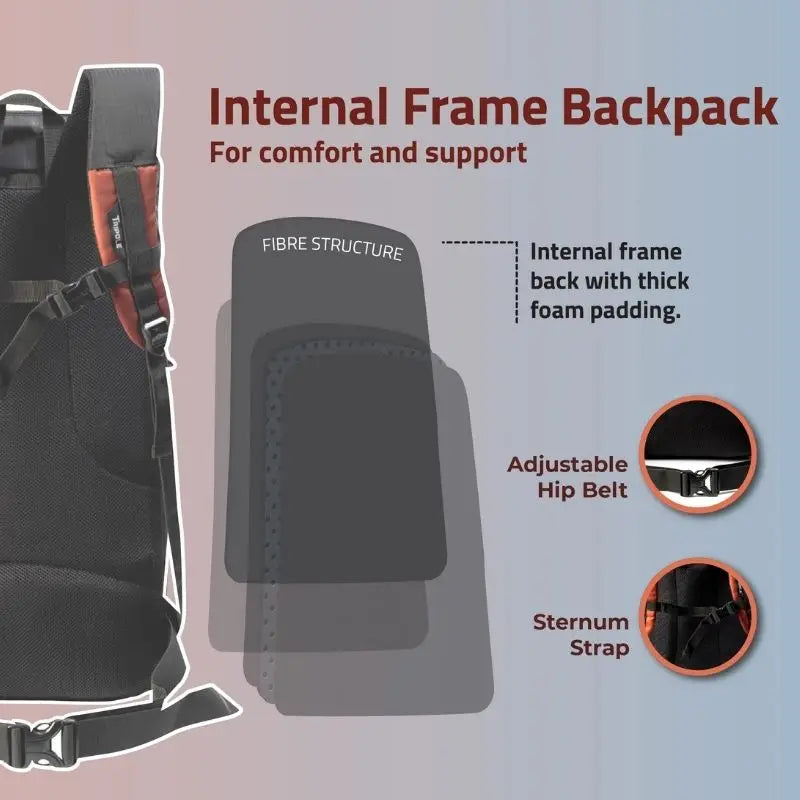
A properly fitted hip belt carries 60 to 70% of a loaded pack's weight on your hips rather than your shoulders, and it's the single most-ignored part of backpack fit. It should sit on your hip bones, not your waist or ribs, snug enough to grip without pinching, roughly one finger's width of play. Most shoulder and neck pain on a trek traces back to a loose or badly positioned hip belt rather than the pack itself. Torso length matters just as much as pack capacity: measure from the C7 vertebra at the base of your neck down to the top of your hip bone, and match that to the brand's sizing rather than guessing from height alone.
What to Look for in Each Brand
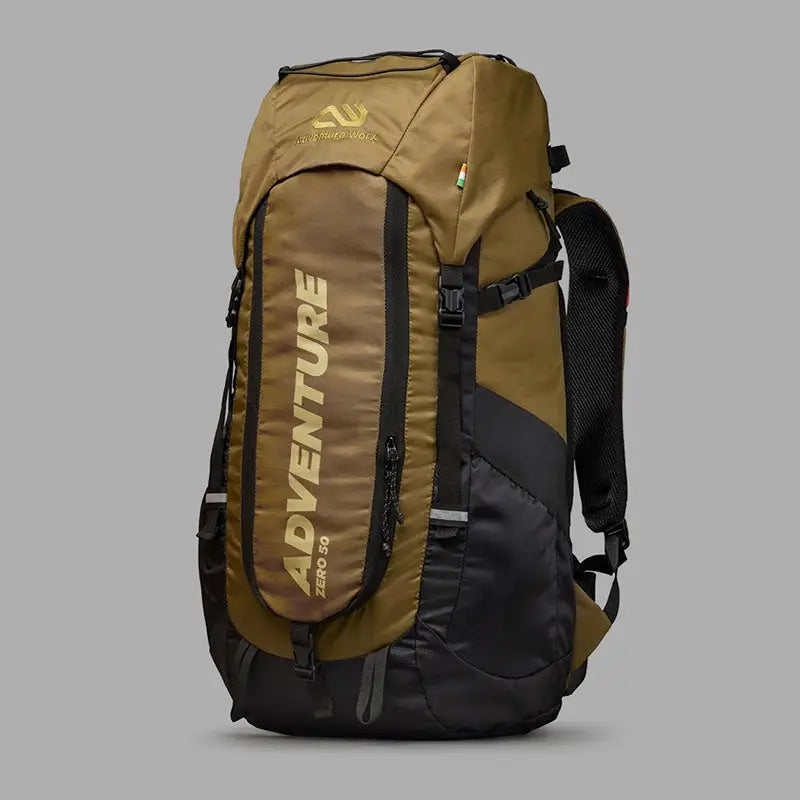
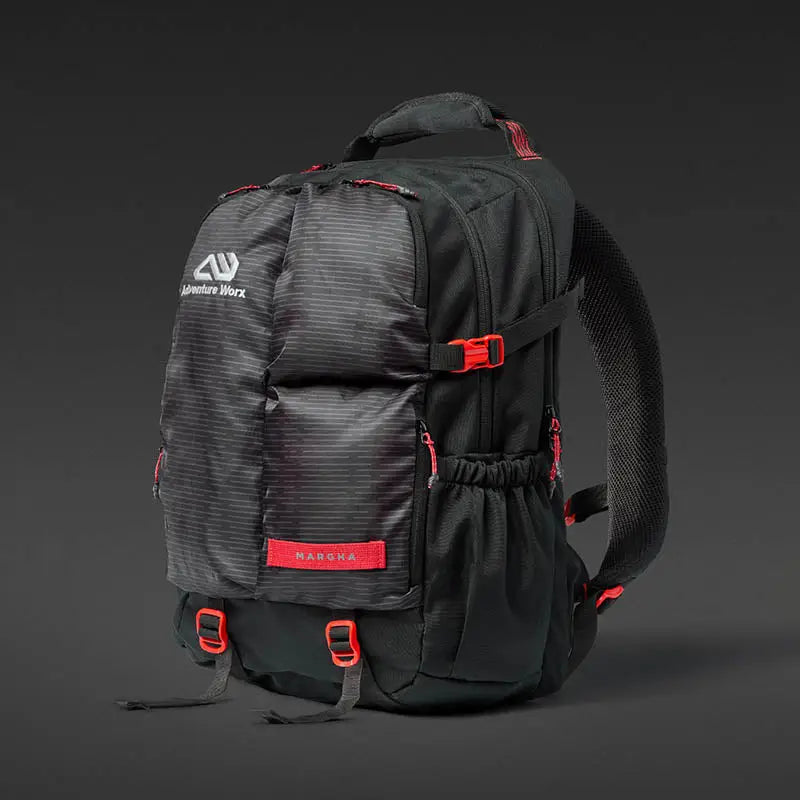
- Adventure Worx's Xplore and Zero lines use a PU-coated polyester fabric, water-resistant, with the brand's own AerWireTech back-panel system for ventilation, a padded waist belt and load lifters to keep weight on the hips rather than the shoulders, an internal hydration sleeve with hose routing, and a built-in rain fly.
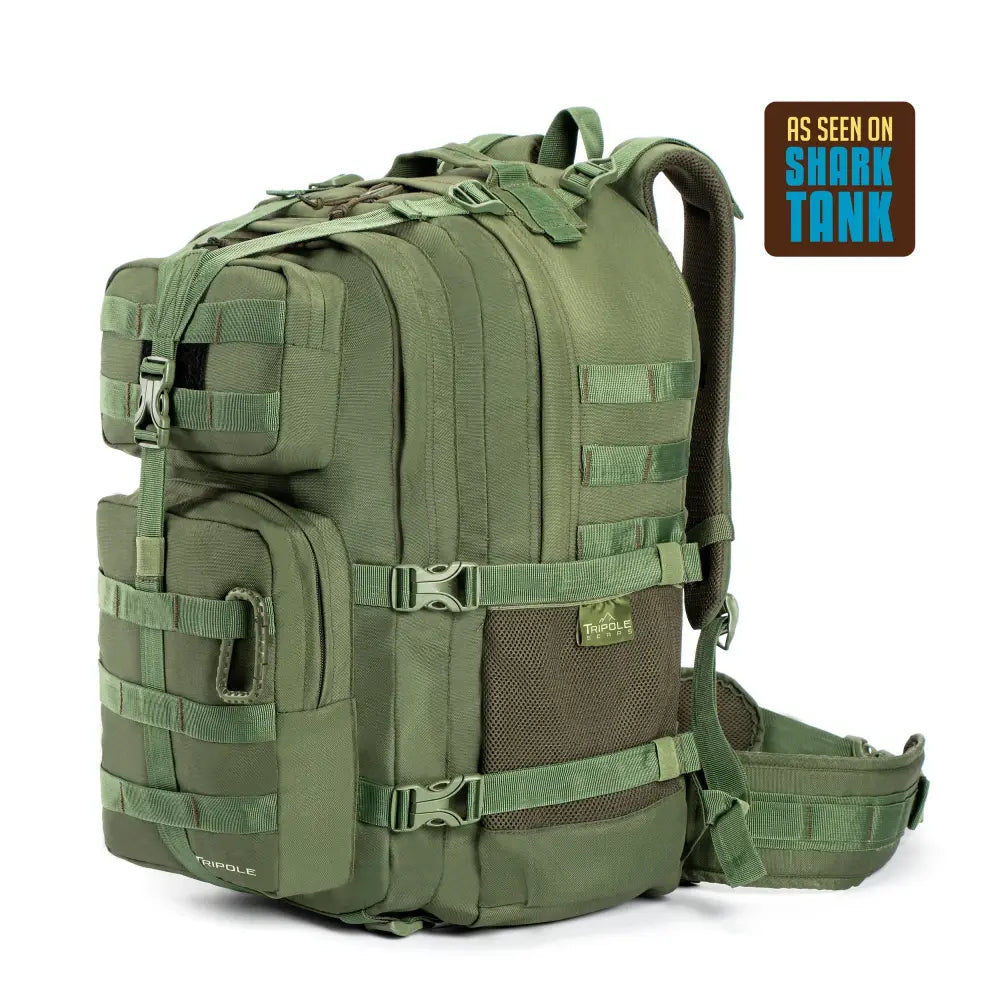
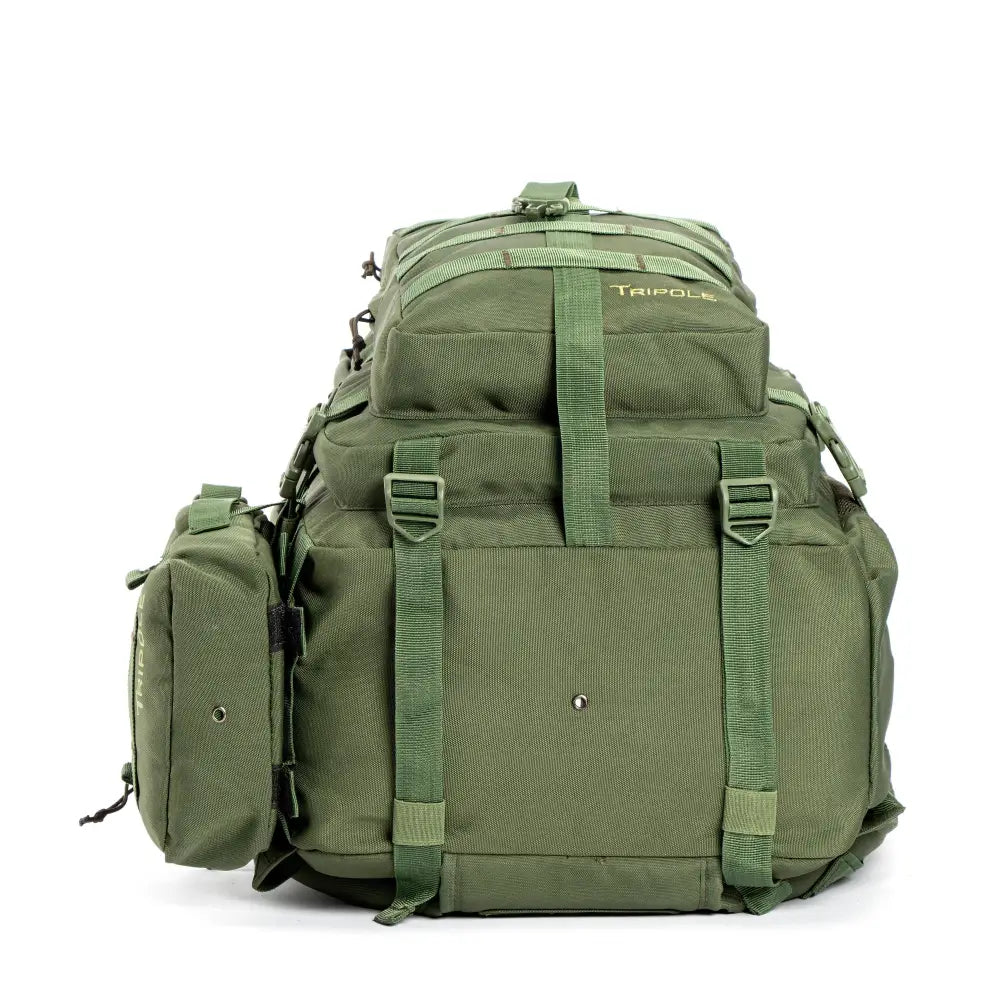
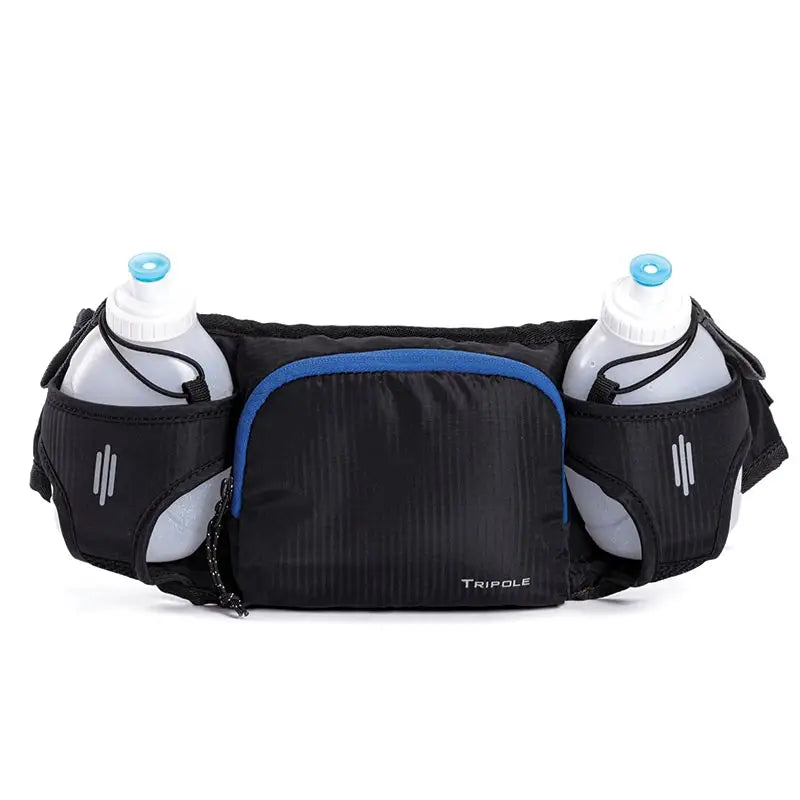
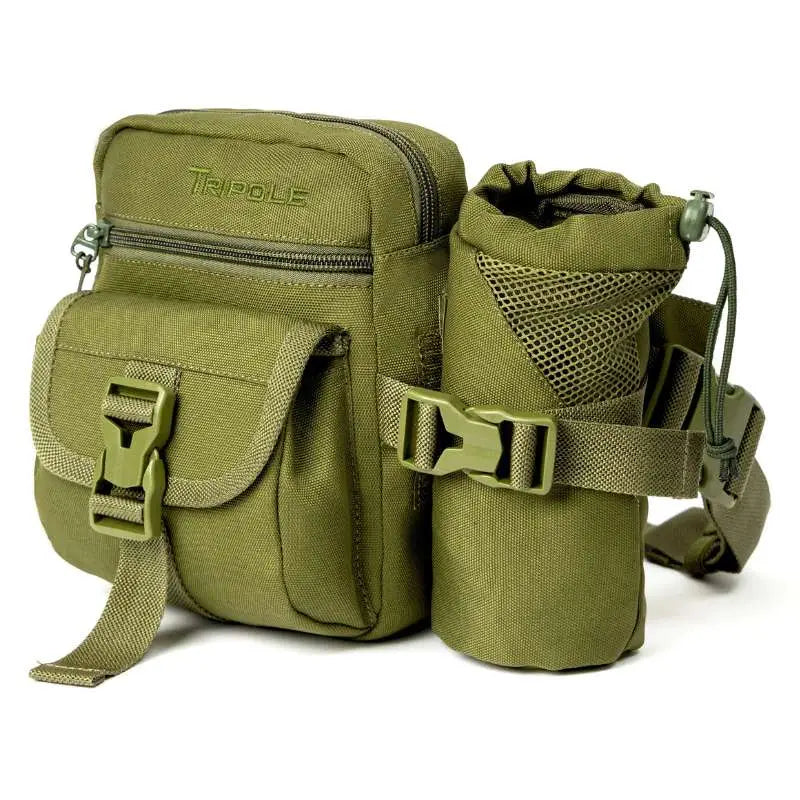
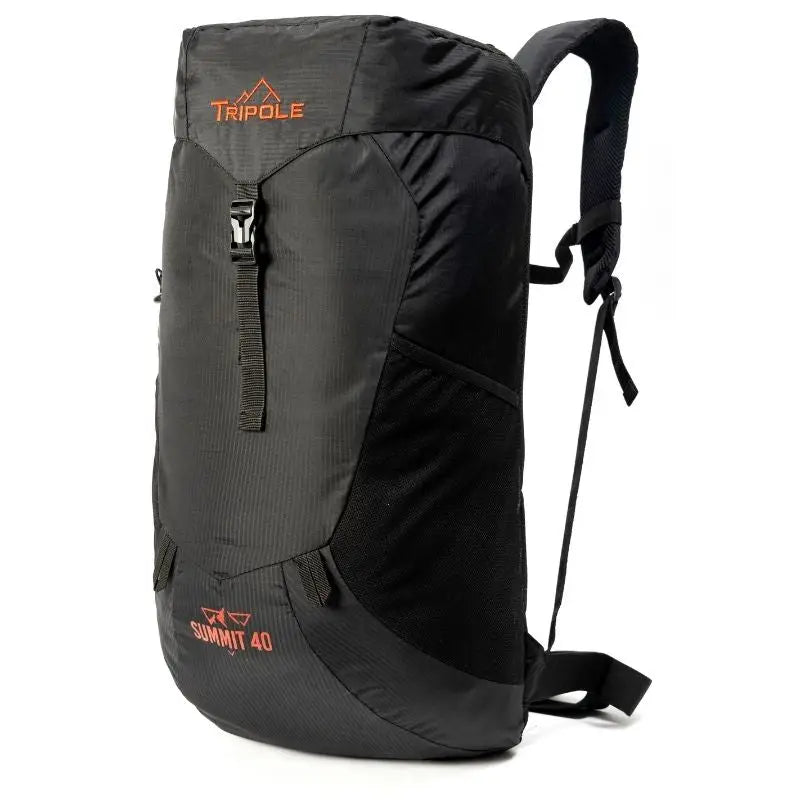
- Tripole's range spans the largest capacity spread in this collection, from compact waist packs and 25L tactical daypacks up to 95L expedition rucksacks with detachable daypacks and rain covers included. The Tripole Walker Pro has been used by 150+ trekkers in the wider Outdoor Goats community across routes like Roopkund, Hampta Pass, and Kedarnath, with feedback consistently noting the frame design distributes weight well for the price.
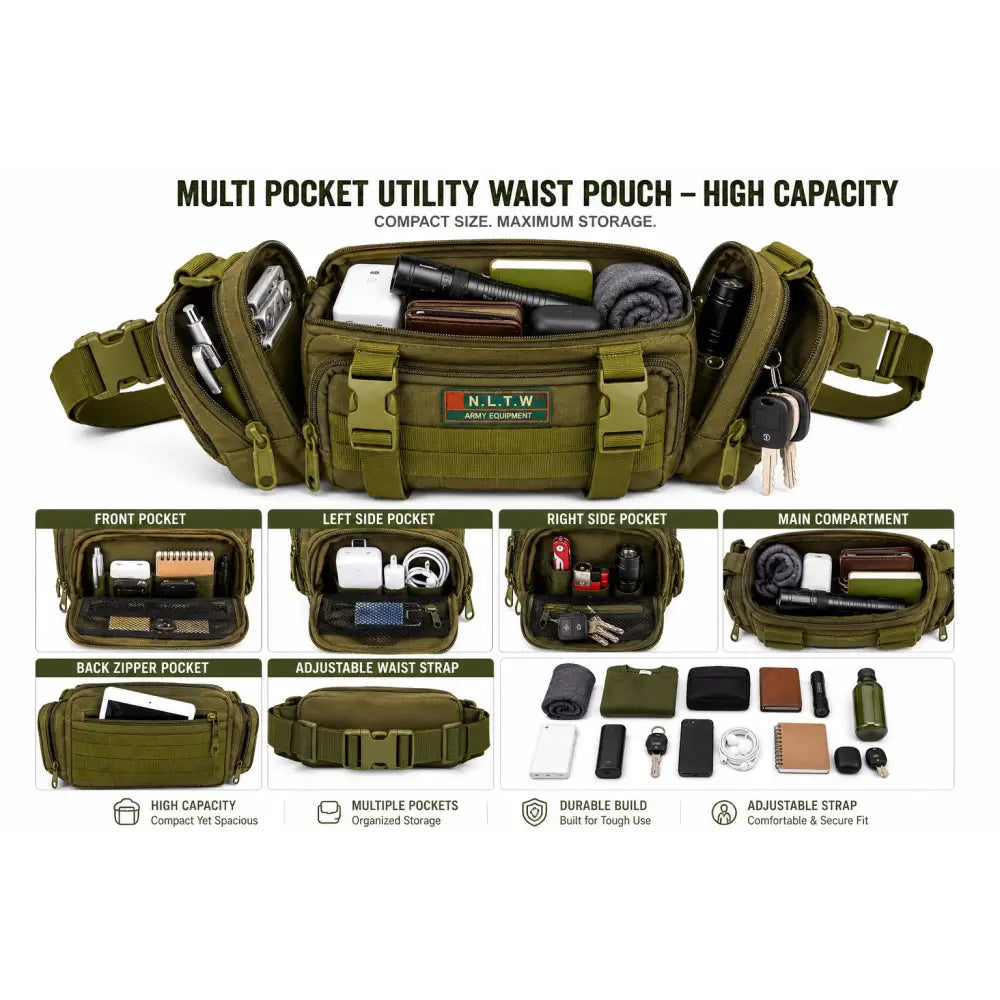
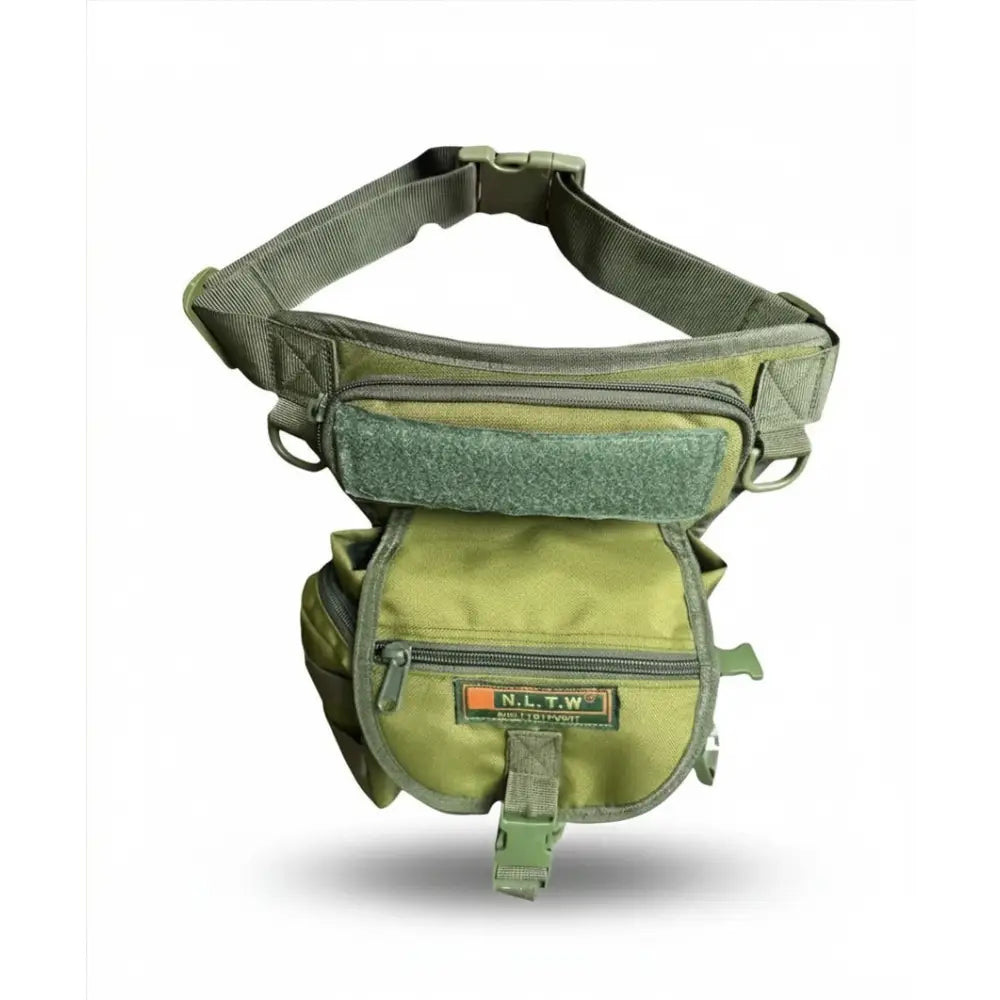
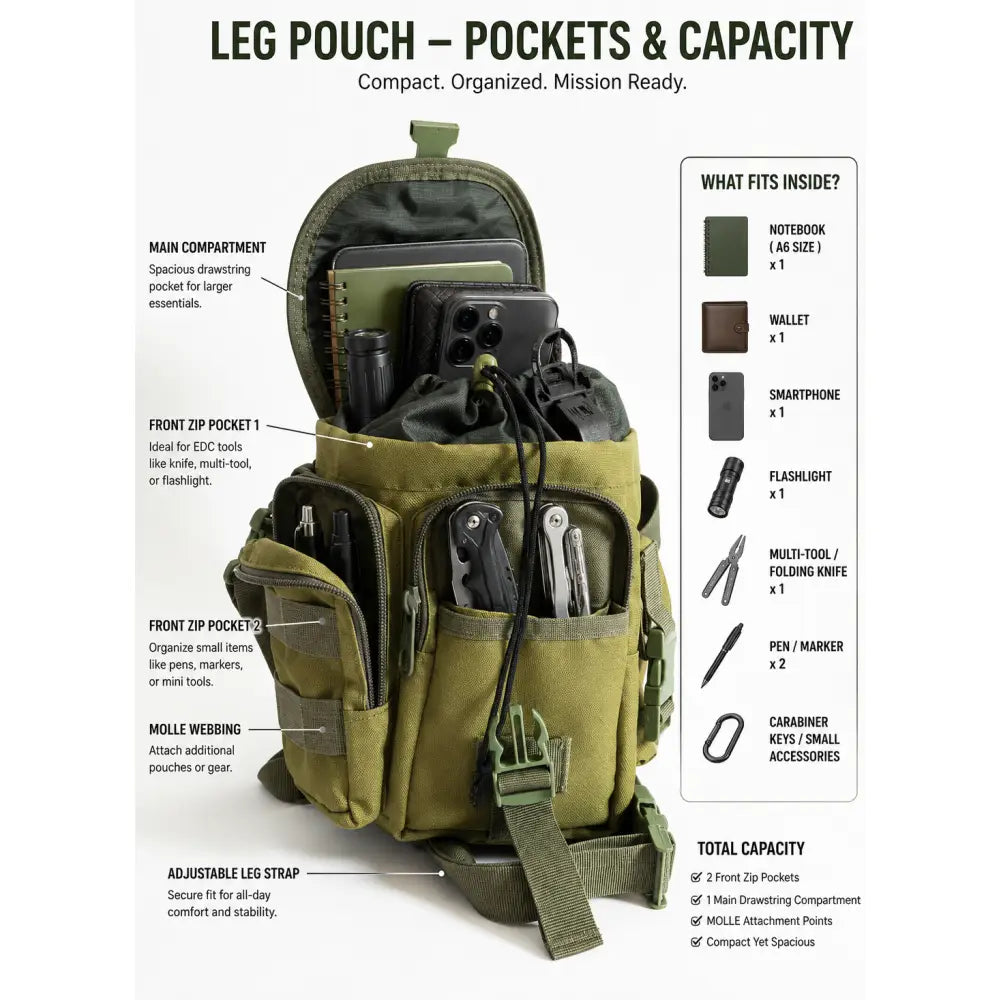
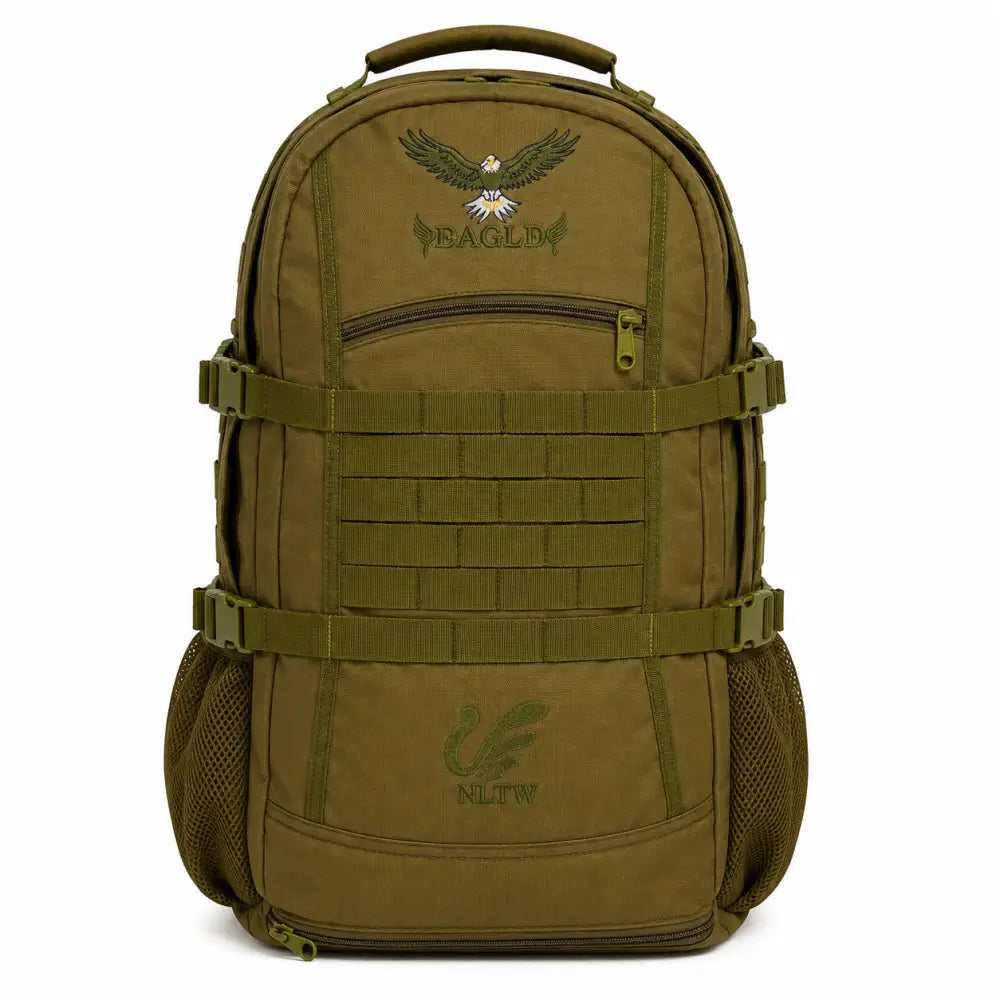
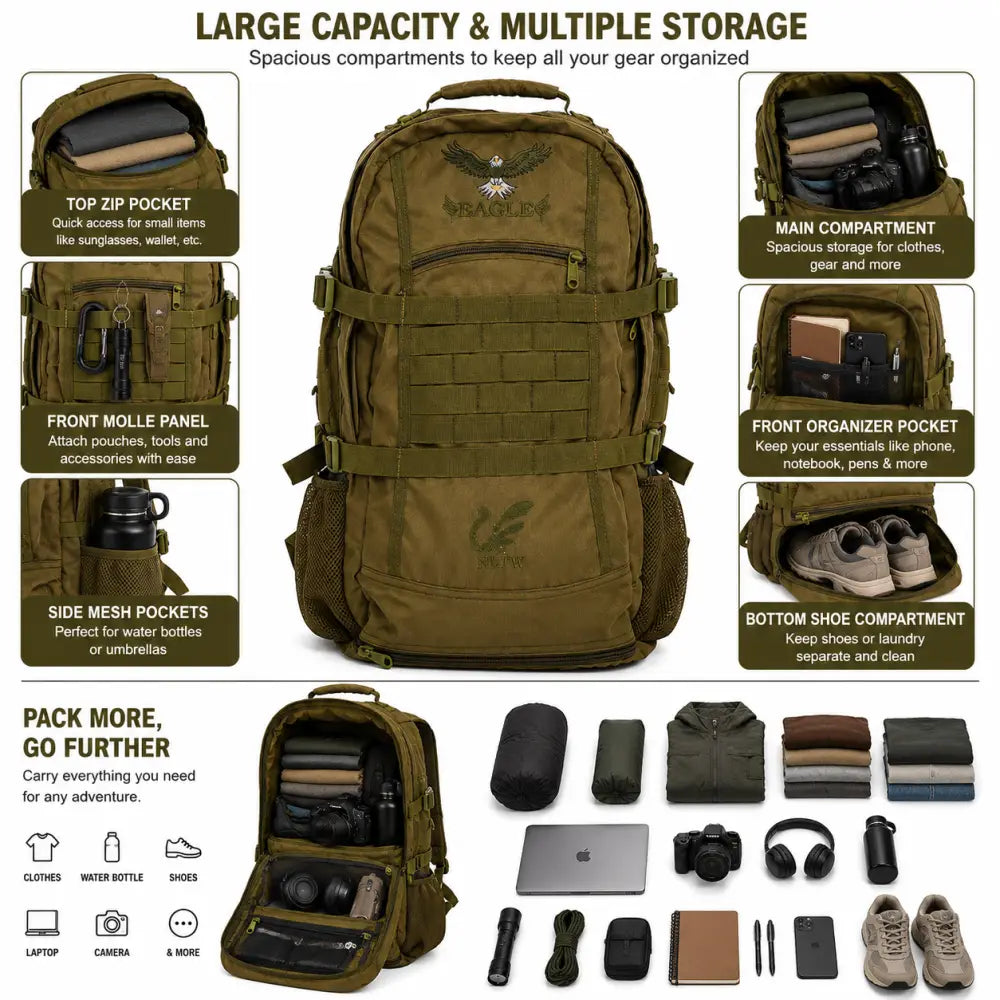
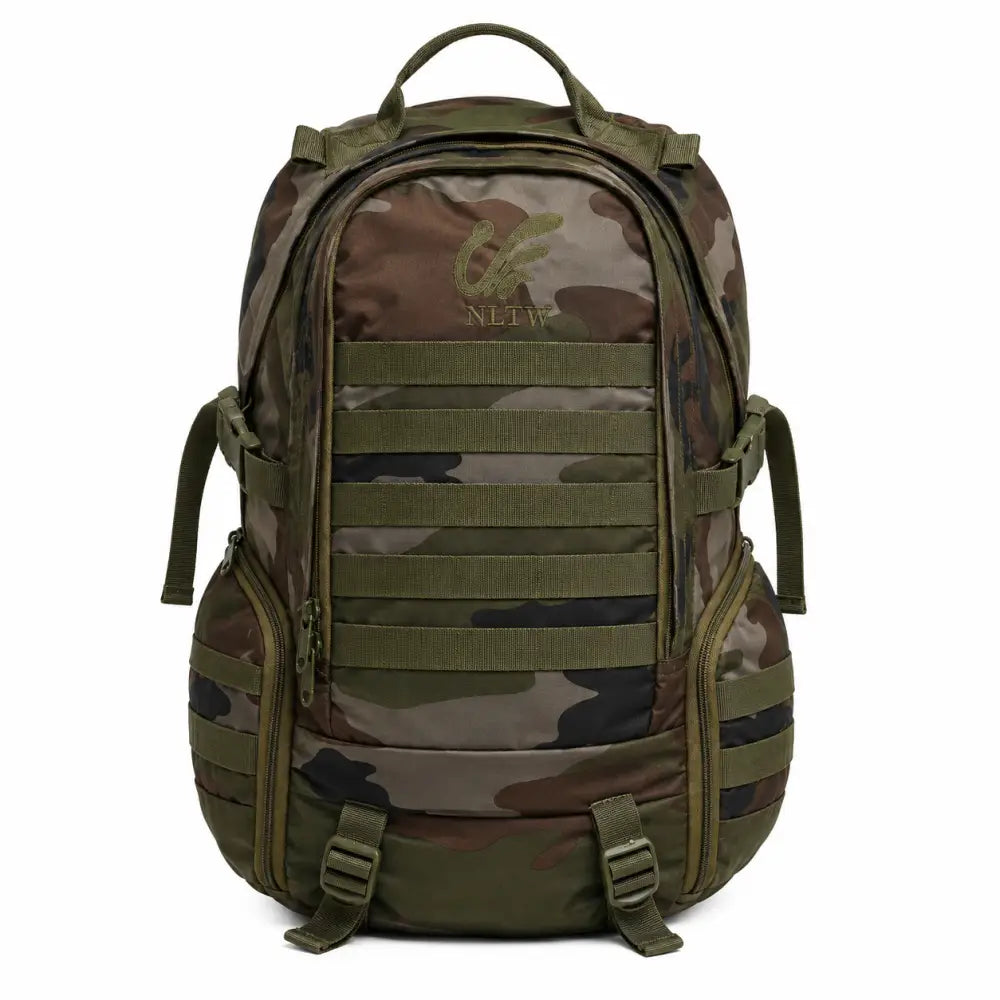
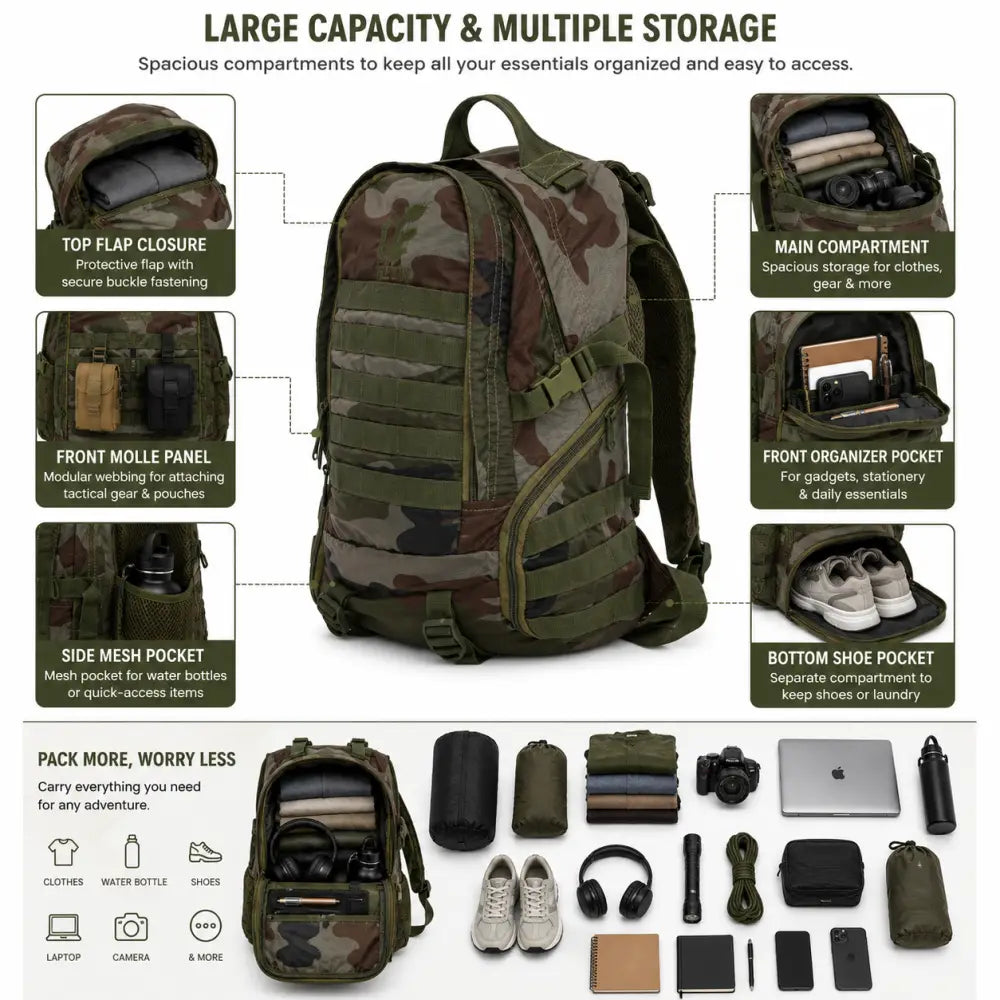
- NLTW's tactical bags (waist packs, drop leg bags, MOLLE-panel backpacks) lean into a military-style build with multiple compartments and modular attachment points.
- Sea to Summit is a specialist accessory brand in this collection rather than a full-rucksack maker, better known internationally for technical fabric construction in dry bags and pack liners.
Choosing by Compartment Layout
A well-organised rucksack packs heaviest items low and close to the back (sleeping bag, food, water), lighter gear in the middle, and quick-access items like a rain jacket, sunscreen, or snacks in the top lid or hip belt pockets. Side pockets for water bottles and a dedicated hydration sleeve, which Adventure Worx's Xplore and Zero lines both include, save you from fully opening the main compartment on trail. A rain cover stored in an accessible pocket, rather than packed at the bottom, is worth checking for specifically if you're trekking through monsoon season.
Our Picks
- Tripole's Walker Pro Rucksack for Trekking and Hiking: extensively used across Himalayan routes by the Outdoor Goats trekking community, frame design praised for distributing weight well.
- Adventure Worx's Xplore 55 Litres Rucksack: PU-coated polyester, AerWireTech ventilated back system, hydration compatible, built-in rain fly.
- Tripole's Colonel Internal Frame 95 Litres Rucksack with Detachable Daypack & Rain Cover: the largest capacity in the collection, rated 4.7/5 from 10 reviews.
- Adventure Worx's Zero 40 Litre Rucksack: PU-coated polyester at a lighter 830 grams, mid-size option for 2 to 3 day treks.
- Tripole's Alfa 45 Litre Military Tactical Backpack with Sling Bag: rated 4.5/5, a tactical-style build for trekking or everyday utility use.
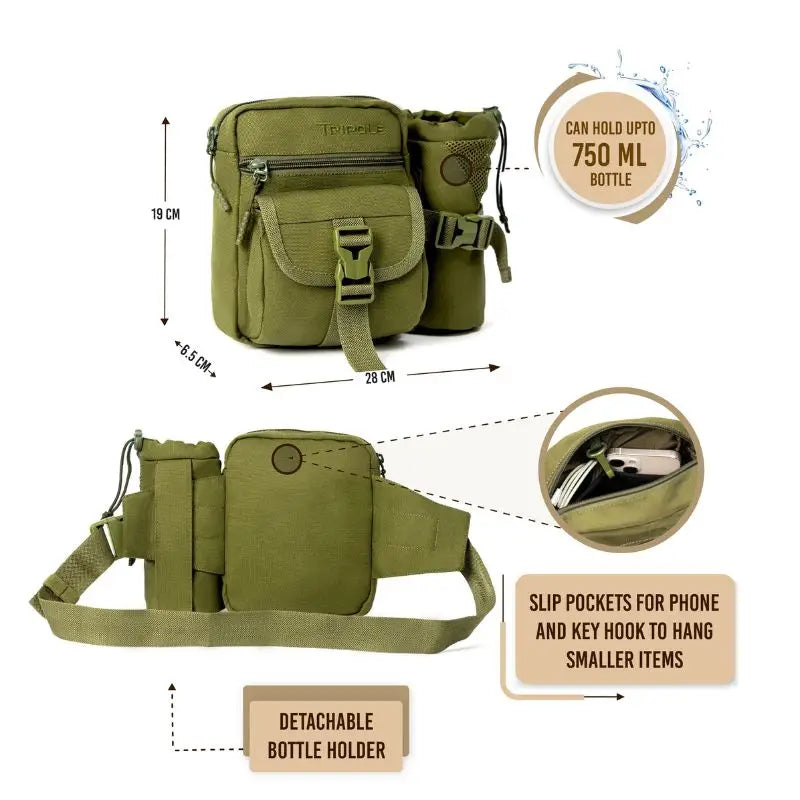
- NLTW's Tactical Waist Pack with Multiple Compartments: military-style waist and sling bag, rated 4.33/5 from 3 reviews.
Packing and Care
Pack heaviest items in the bottom third of the main compartment, closest to your back, lighter gear in the middle, and items you'll need on the move in the top lid or hip pockets. After each trek, clean out dirt and dry the pack thoroughly before storing it, hand wash rather than machine wash where possible, and let zippers run smoothly with a proper zipper lubricant rather than oil.
Shop by Activity: Hike & Trek | Camp & Safari | Commuter & Travel
Pair a rucksack with a Rainwear jacket and Cargo & Trekking Pants for a full monsoon trekking kit.
FAQs
- How much rucksack capacity do I need for a 5-day Himalayan trek? Around 55 to 65 litres, once a shared tent, sleeping bag, several days of food, and clothing layers are accounted for.
- Should I buy a bigger rucksack in case I do longer treks later? No. Oversized packs tend to encourage overpacking, which just means a heavier, slower trek. Buy for your current trips and upgrade later if you genuinely need to.
- What does the hip belt actually do? A properly fitted hip belt carries 60 to 70% of the pack's weight on your hips rather than your shoulders. It should sit on your hip bones, snug but not pinching.
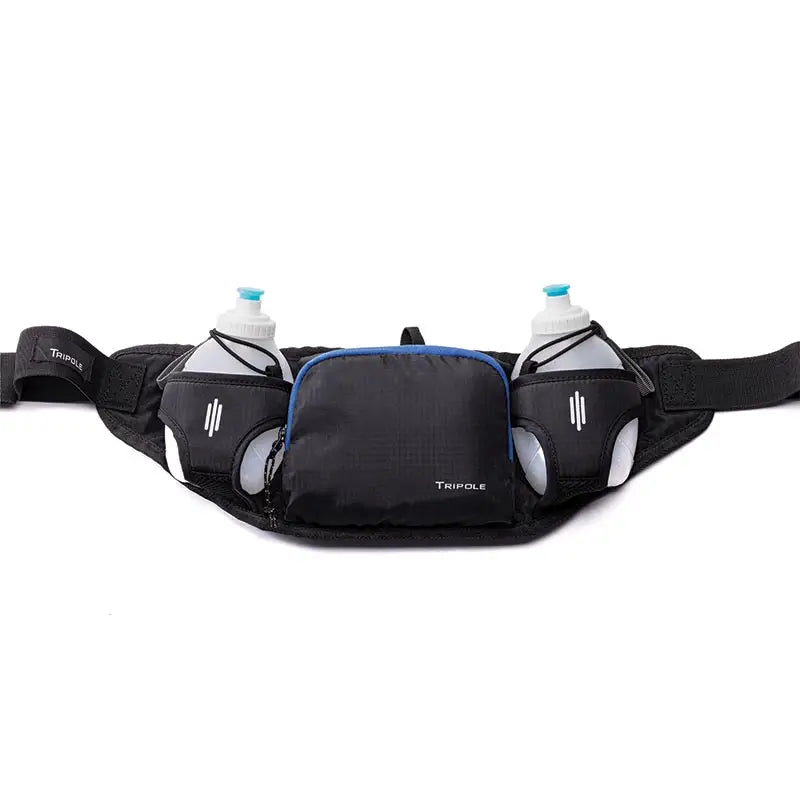
- What's the difference between a rucksack and a waist pack? A rucksack is a full backpack built for multi-day loads. A waist pack (or fanny bag) sits at the hip and carries only essentials, water, snacks, a phone, useful for day hikes, running, or as a lightweight sling on top of a main rucksack.
- What is AerWireTech, and why does it matter? It's Adventure Worx's own back-panel ventilation system, designed to keep the back cooler and manage load on the shoulders during long treks in humid conditions.
- Do any rucksacks in this collection come with a rain cover included? Yes, several Tripole models, including the Colonel Internal Frame 95L and Colonel 80L, include a detachable daypack and rain cover as part of the set. Adventure Worx's Xplore line includes a built-in rain fly.
- What material options are available across this collection? The live filters group rucksacks by Fabric, Plastic, and Synthetic material types, alongside closures including Drawcord, Zipper, Roll Top, and Buckle, and Water Proof, Water Resistant, or Water Repellent options.
- What size range is available, from smallest to largest? From 8 litre packs (Adventure Worx's Tosh) up to 120 litre expedition rucksacks, with waist packs and sling bags at the smaller end of the range.
Browse Rucksacks | Waist Packs Products

















Buy Rucksacks | Waist Packs
Outdoor Goats carries rucksacks, hiking backpacks, and waist packs from 4 brands, Tripole, NLTW, Adventure Worx, and Sea to Summit, spanning 8 litres up to 120 litres. The range runs from compact day packs and tactical waist bags through to full expedition rucksacks with detachable daypacks and rain covers.
How Much Capacity Do You Actually Need
Capacity isn't about how much you can fit, it's about trip duration and load weight. As a rough guide: 20 to 30 litres covers day hikes (water, snacks, a light jacket, first aid). 35 to 50 litres suits 2 to 3 day treks with a sleeping bag and light gear, around 8 to 12 kg total. 55 to 65 litres is the range most serious 5 to 7 day Himalayan treks need, once a shared tent, sleeping bag, and several days of food are factored in. Beyond 70 litres is expedition territory, multi-week trips only, not something most Indian trekkers need to buy into. The most common mistake is oversizing, a bigger pack invites overpacking, and a 55L pack that's genuinely full carries better than a 75L pack that's half empty.
The Hip Belt Is What Actually Matters
A properly fitted hip belt carries 60 to 70% of a loaded pack's weight on your hips rather than your shoulders, and it's the single most-ignored part of backpack fit. It should sit on your hip bones, not your waist or ribs, snug enough to grip without pinching, roughly one finger's width of play. Most shoulder and neck pain on a trek traces back to a loose or badly positioned hip belt rather than the pack itself. Torso length matters just as much as pack capacity: measure from the C7 vertebra at the base of your neck down to the top of your hip bone, and match that to the brand's sizing rather than guessing from height alone.
What to Look for in Each Brand
- Adventure Worx's Xplore and Zero lines use a PU-coated polyester fabric, water-resistant, with the brand's own AerWireTech back-panel system for ventilation, a padded waist belt and load lifters to keep weight on the hips rather than the shoulders, an internal hydration sleeve with hose routing, and a built-in rain fly.
- Tripole's range spans the largest capacity spread in this collection, from compact waist packs and 25L tactical daypacks up to 95L expedition rucksacks with detachable daypacks and rain covers included. The Tripole Walker Pro has been used by 150+ trekkers in the wider Outdoor Goats community across routes like Roopkund, Hampta Pass, and Kedarnath, with feedback consistently noting the frame design distributes weight well for the price.
- NLTW's tactical bags (waist packs, drop leg bags, MOLLE-panel backpacks) lean into a military-style build with multiple compartments and modular attachment points.
- Sea to Summit is a specialist accessory brand in this collection rather than a full-rucksack maker, better known internationally for technical fabric construction in dry bags and pack liners.
Choosing by Compartment Layout
A well-organised rucksack packs heaviest items low and close to the back (sleeping bag, food, water), lighter gear in the middle, and quick-access items like a rain jacket, sunscreen, or snacks in the top lid or hip belt pockets. Side pockets for water bottles and a dedicated hydration sleeve, which Adventure Worx's Xplore and Zero lines both include, save you from fully opening the main compartment on trail. A rain cover stored in an accessible pocket, rather than packed at the bottom, is worth checking for specifically if you're trekking through monsoon season.
Our Picks
- Tripole's Walker Pro Rucksack for Trekking and Hiking: extensively used across Himalayan routes by the Outdoor Goats trekking community, frame design praised for distributing weight well.
- Adventure Worx's Xplore 55 Litres Rucksack: PU-coated polyester, AerWireTech ventilated back system, hydration compatible, built-in rain fly.
- Tripole's Colonel Internal Frame 95 Litres Rucksack with Detachable Daypack & Rain Cover: the largest capacity in the collection, rated 4.7/5 from 10 reviews.
- Adventure Worx's Zero 40 Litre Rucksack: PU-coated polyester at a lighter 830 grams, mid-size option for 2 to 3 day treks.
- Tripole's Alfa 45 Litre Military Tactical Backpack with Sling Bag: rated 4.5/5, a tactical-style build for trekking or everyday utility use.
- NLTW's Tactical Waist Pack with Multiple Compartments: military-style waist and sling bag, rated 4.33/5 from 3 reviews.
Packing and Care
Pack heaviest items in the bottom third of the main compartment, closest to your back, lighter gear in the middle, and items you'll need on the move in the top lid or hip pockets. After each trek, clean out dirt and dry the pack thoroughly before storing it, hand wash rather than machine wash where possible, and let zippers run smoothly with a proper zipper lubricant rather than oil.
Shop by Activity: Hike & Trek | Camp & Safari | Commuter & Travel
Pair a rucksack with a Rainwear jacket and Cargo & Trekking Pants for a full monsoon trekking kit.
FAQs
- How much rucksack capacity do I need for a 5-day Himalayan trek? Around 55 to 65 litres, once a shared tent, sleeping bag, several days of food, and clothing layers are accounted for.
- Should I buy a bigger rucksack in case I do longer treks later? No. Oversized packs tend to encourage overpacking, which just means a heavier, slower trek. Buy for your current trips and upgrade later if you genuinely need to.
- What does the hip belt actually do? A properly fitted hip belt carries 60 to 70% of the pack's weight on your hips rather than your shoulders. It should sit on your hip bones, snug but not pinching.
- What's the difference between a rucksack and a waist pack? A rucksack is a full backpack built for multi-day loads. A waist pack (or fanny bag) sits at the hip and carries only essentials, water, snacks, a phone, useful for day hikes, running, or as a lightweight sling on top of a main rucksack.
- What is AerWireTech, and why does it matter? It's Adventure Worx's own back-panel ventilation system, designed to keep the back cooler and manage load on the shoulders during long treks in humid conditions.
- Do any rucksacks in this collection come with a rain cover included? Yes, several Tripole models, including the Colonel Internal Frame 95L and Colonel 80L, include a detachable daypack and rain cover as part of the set. Adventure Worx's Xplore line includes a built-in rain fly.
- What material options are available across this collection? The live filters group rucksacks by Fabric, Plastic, and Synthetic material types, alongside closures including Drawcord, Zipper, Roll Top, and Buckle, and Water Proof, Water Resistant, or Water Repellent options.
- What size range is available, from smallest to largest? From 8 litre packs (Adventure Worx's Tosh) up to 120 litre expedition rucksacks, with waist packs and sling bags at the smaller end of the range.
Rucksacks | Waist Packs Price List
Data last updated on 23/09/2026


