
Buy Tents | Sleep Systems Online in India at Best Price
Outdoor Goats carries tents and sleep systems from 4 brands, Tripole, Sea to Summit, Adventure Worx, and Gokyo, priced ₹699 to ₹66,089. The range spans budget sleeping bag liners through to freestanding backpacking tents, with sleeping bags covering everything from 20°C summer camping to -15°C Himalayan winter treks.
Matching a Sleeping Bag to the Season
A sleeping bag's temperature rating tells you the lowest temperature it's designed to keep you comfortable at, not the coldest it can technically survive. For summer camping and monsoon-season treks in warmer regions, a 20°C or 10°C rated bag is enough. For the cooler months in the Sahyadris or mid-altitude Himalayan routes, a 0°C to -5°C bag covers most conditions. For genuine winter expeditions or high-altitude Himalayan treks, step up to a -10°C or -15°C rated bag, and expect to layer with warm clothing regardless of rating, since comfort ratings vary by individual and conditions.
What to Look for in Each Brand
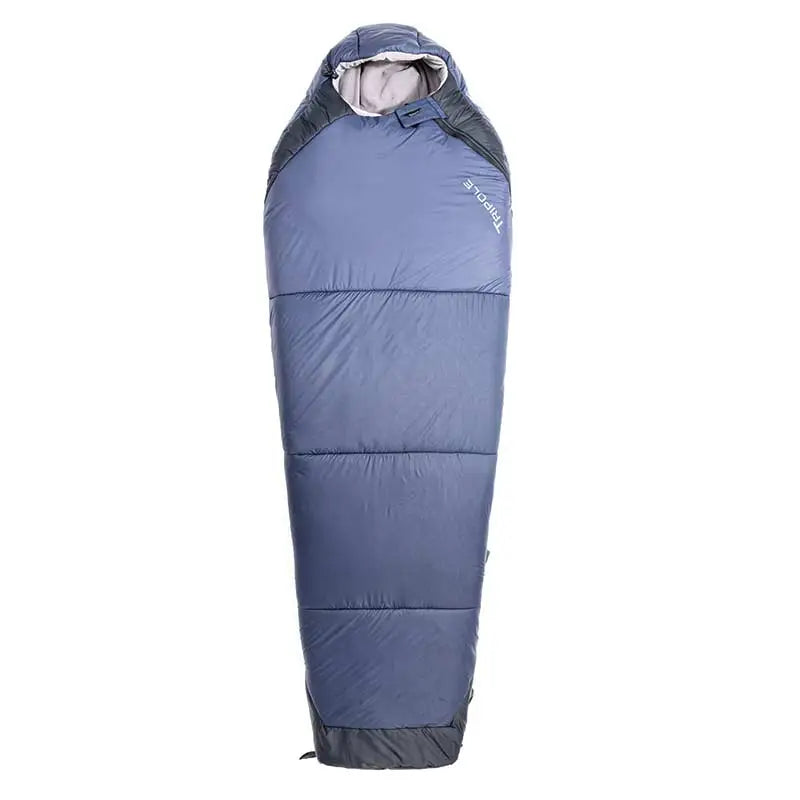
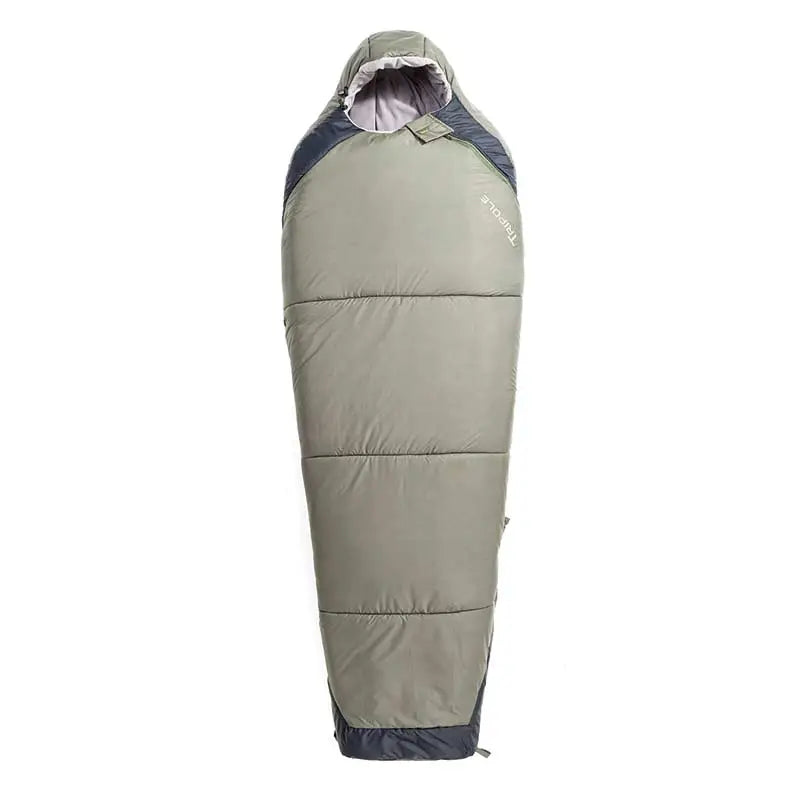
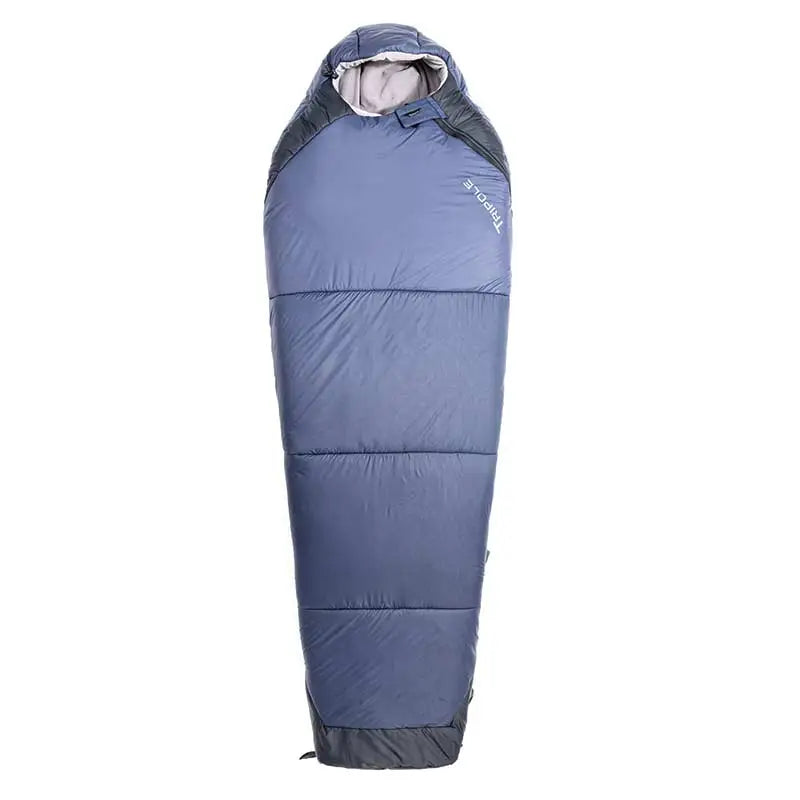
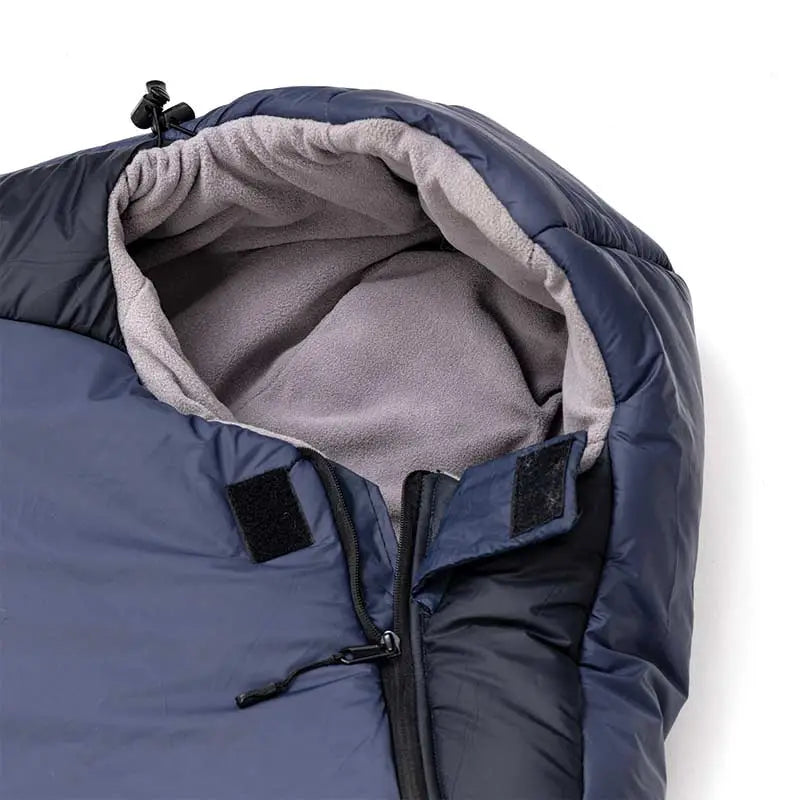
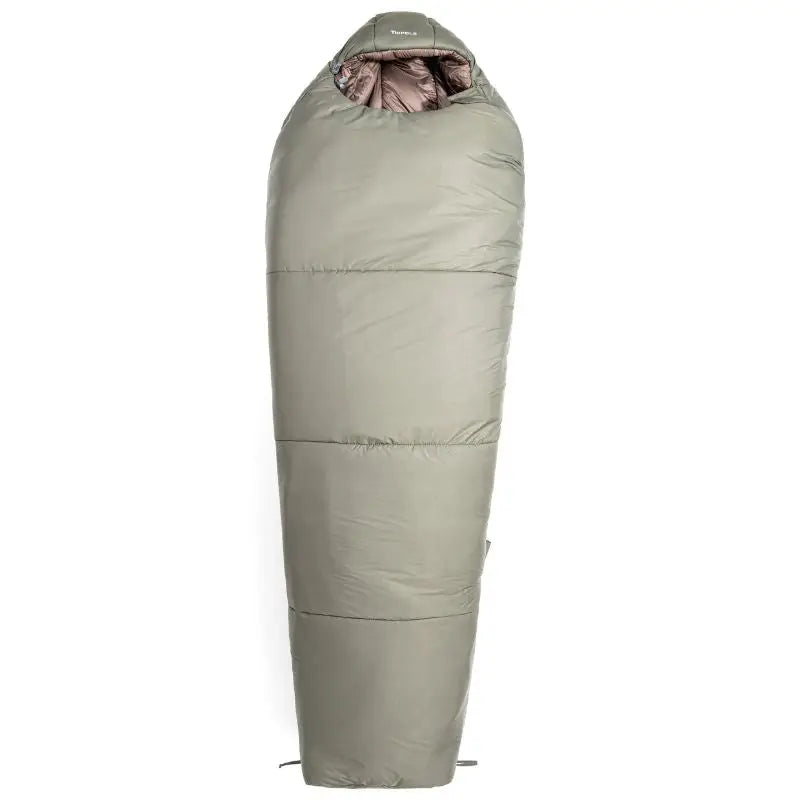
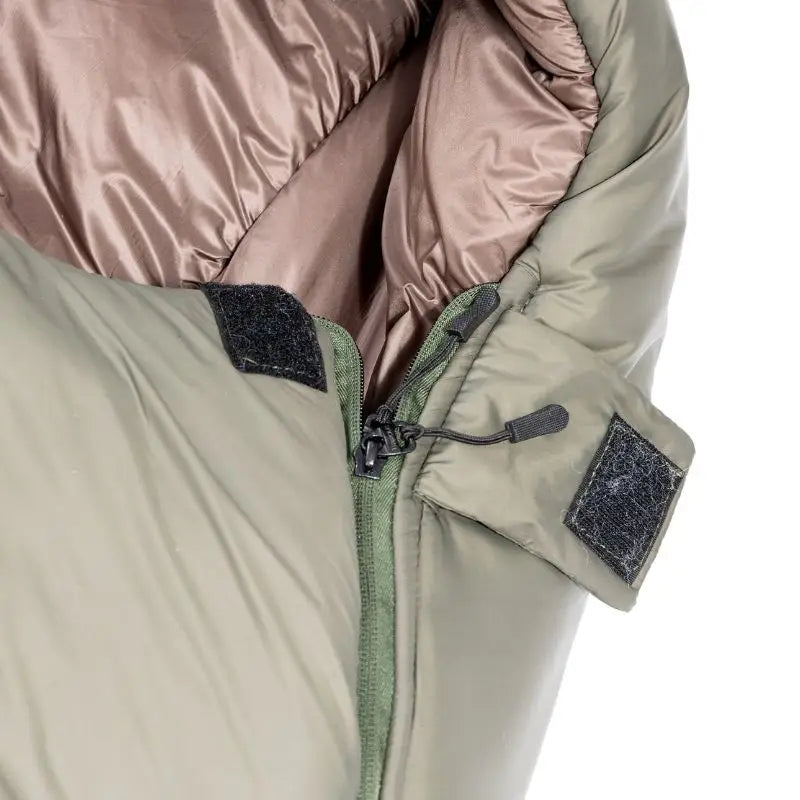
- Tripole's Shivalik Series uses a 100% nylon outer and inner shell with a siliconized polyester filling, rated 0°C comfort (usable to around -5°C with extra layers) or -10°C comfort depending on the variant. It includes an internal utility pocket, double-sided zippers with a Velcro lock to stop accidental opening, and extra padding over the chest and head area.
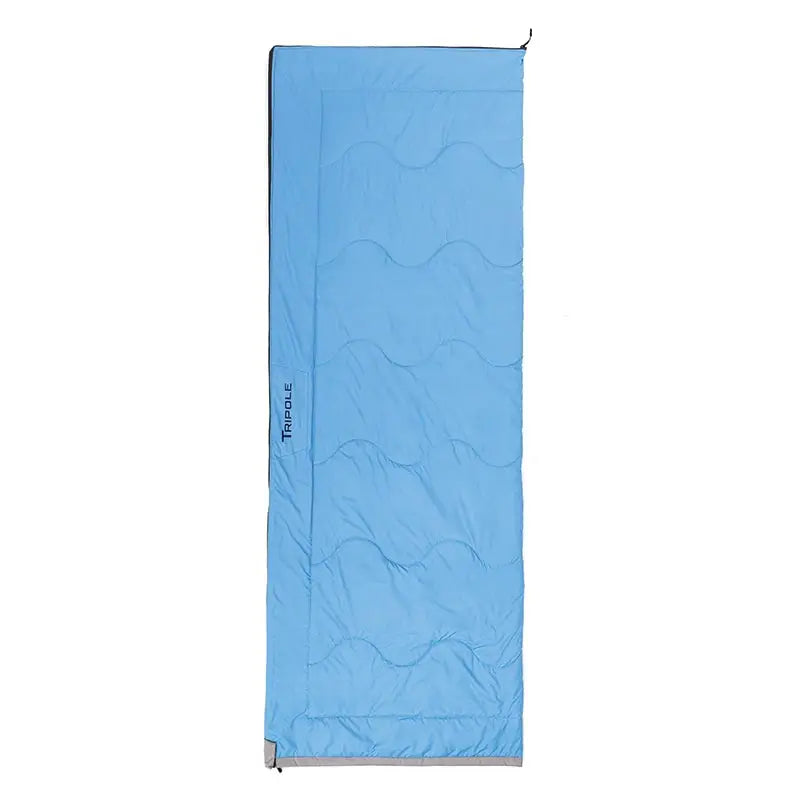
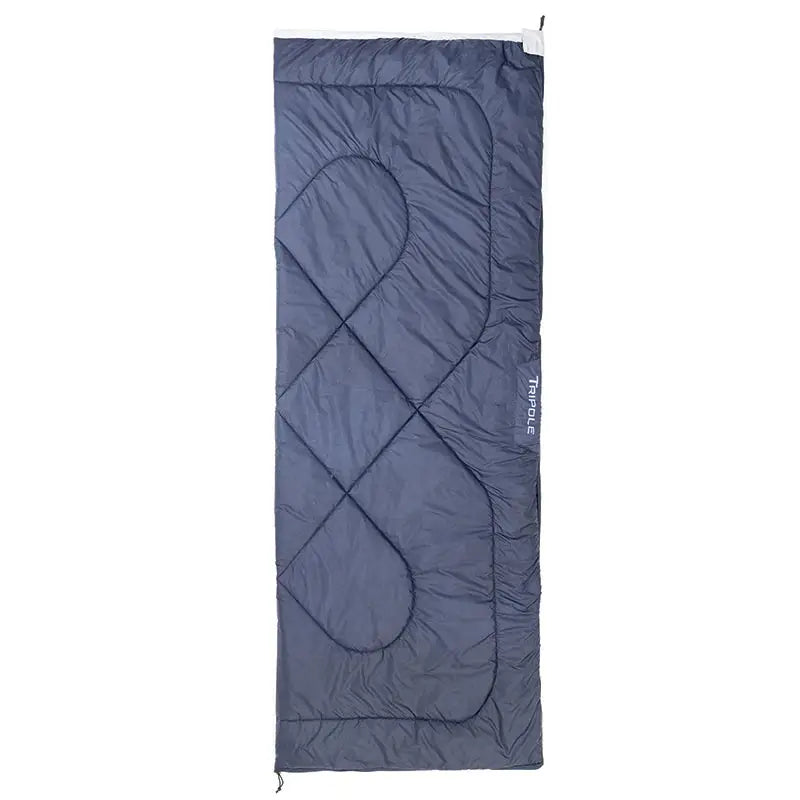
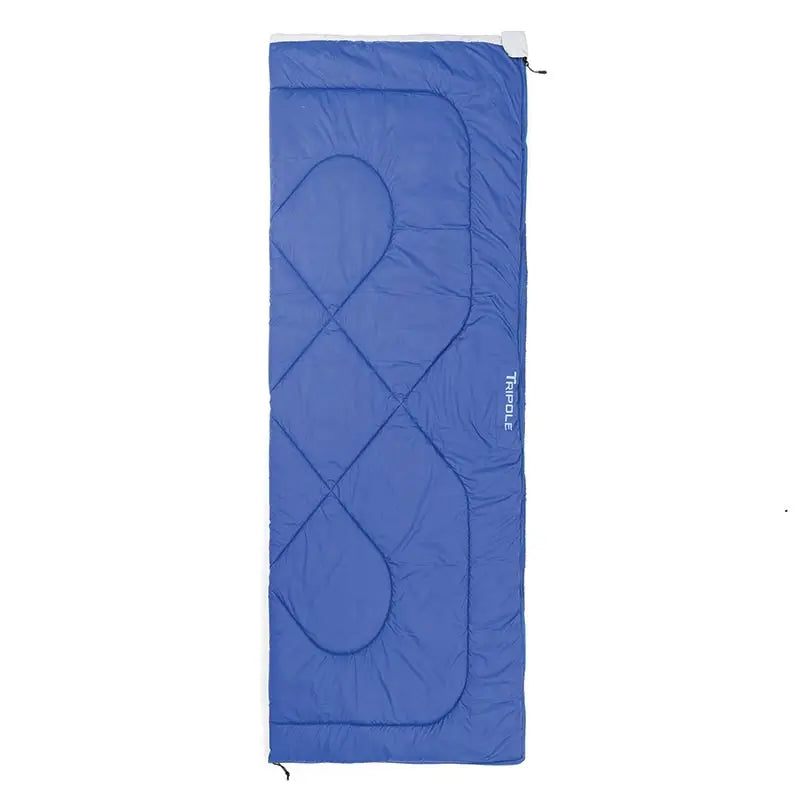
- Tripole's Camp Series Envelope bags use a 100% polyester shell with synthetic polyfill, in 20°C, 10°C, and similar comfort ratings for warmer-weather camping. The rectangular shape opens flat into a full quilt and can cover up to two people as an upper layer.
- Tripole's Zanskar Series adds a fleece inner lining on top of a water-repellent shell, built specifically for genuinely cold conditions down to -15°C, in a mummy shape for minimal heat loss.
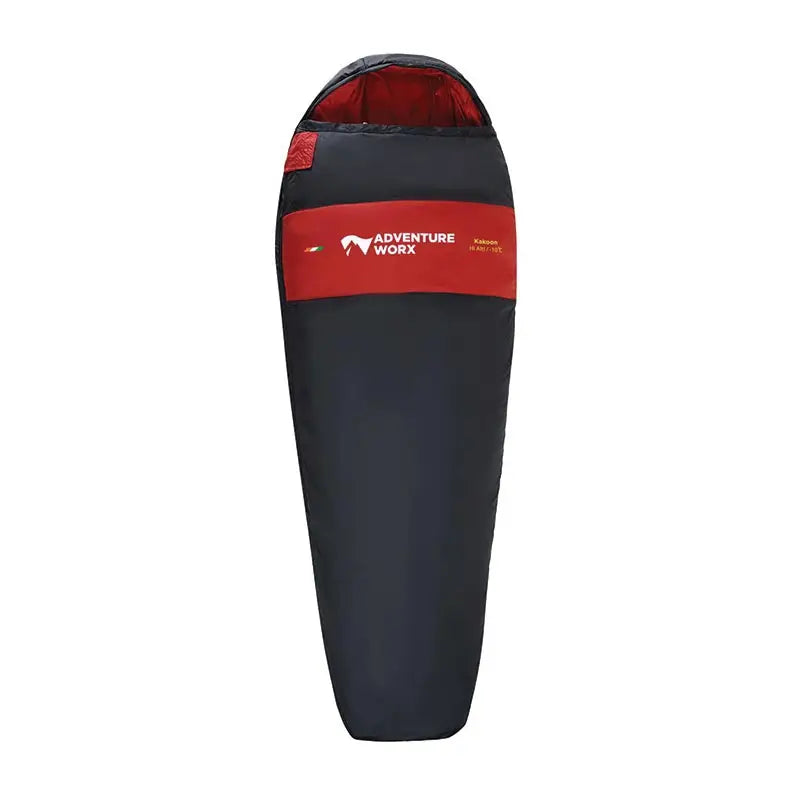
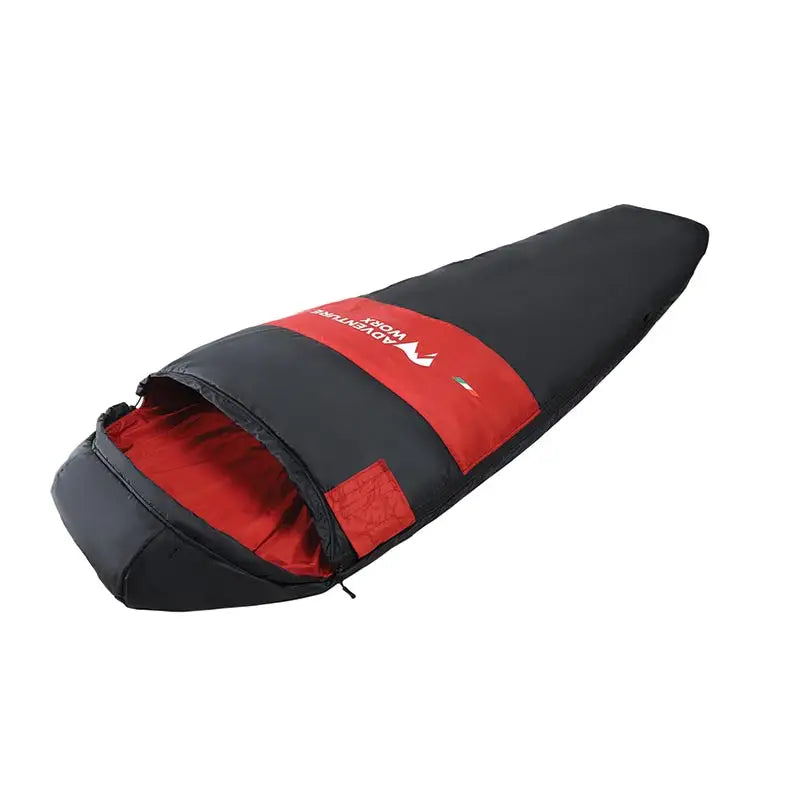
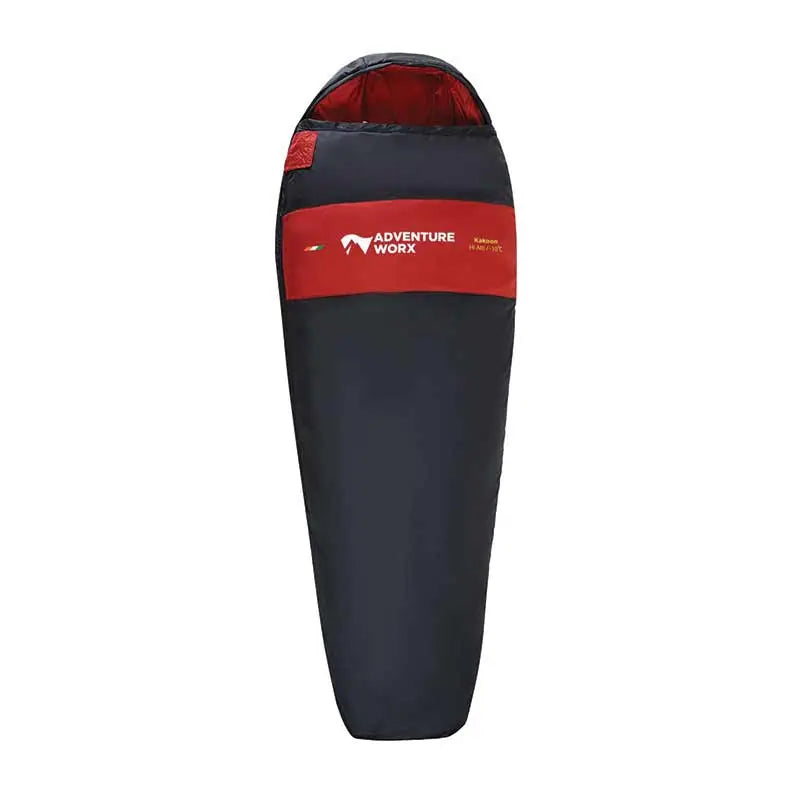
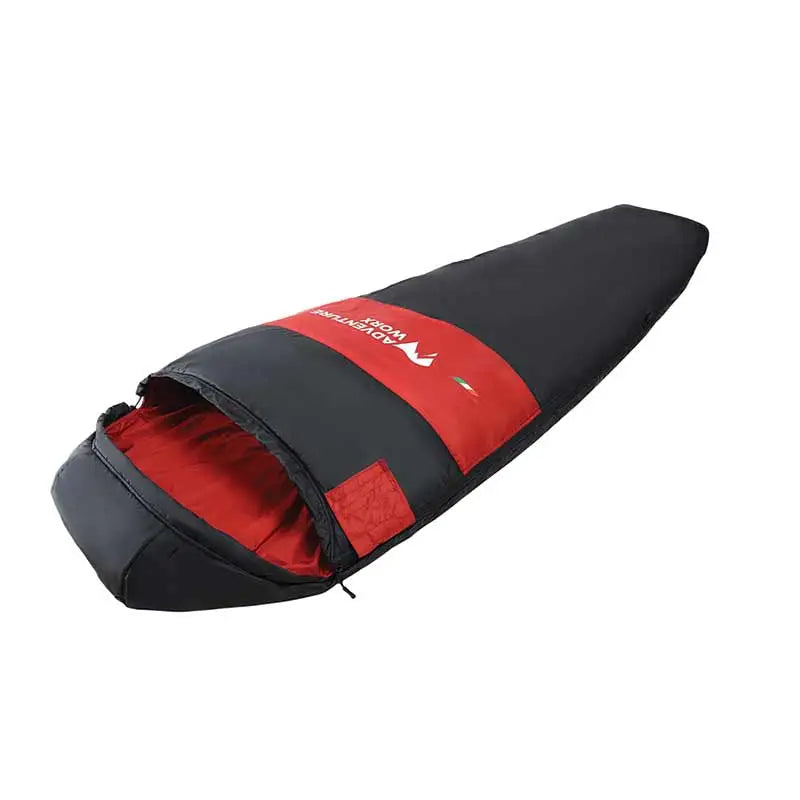
- Adventure Worx's High Altitude sleeping bag (-10°C) uses a fine-yarn woven, uncoated, lightweight fabric with a zero-quilting construction to reduce heat loss through seams, a full side zipper with a zip draft tube, and a drawcord hood and neck closure to lock in warmth. It's built specifically for Himalayan trekking and high-altitude use.
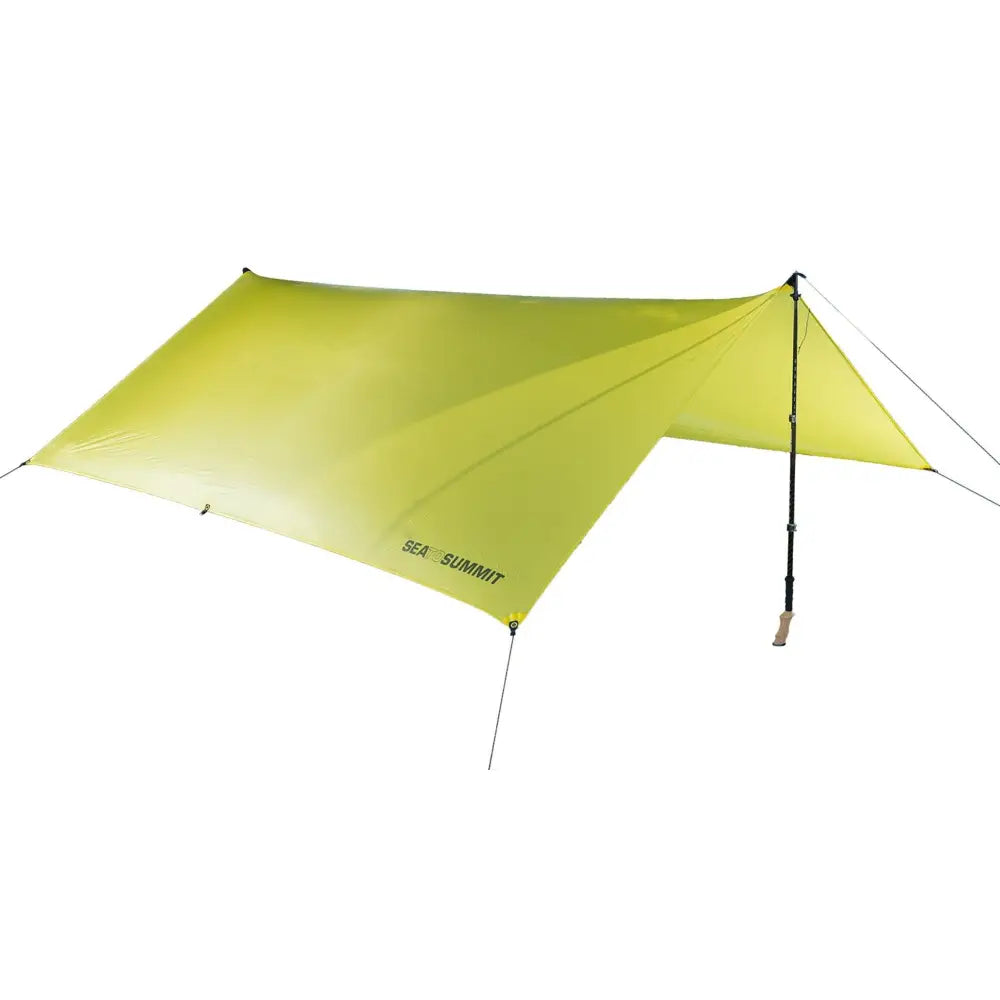
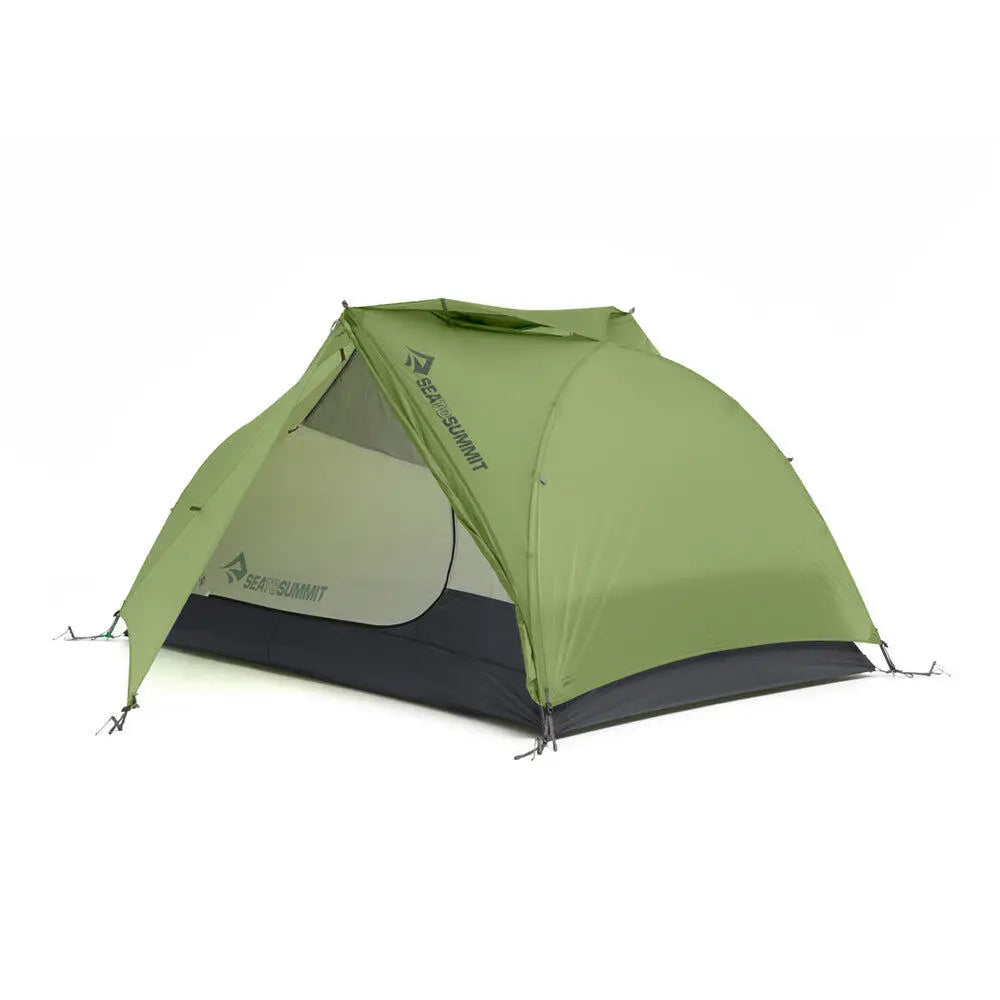
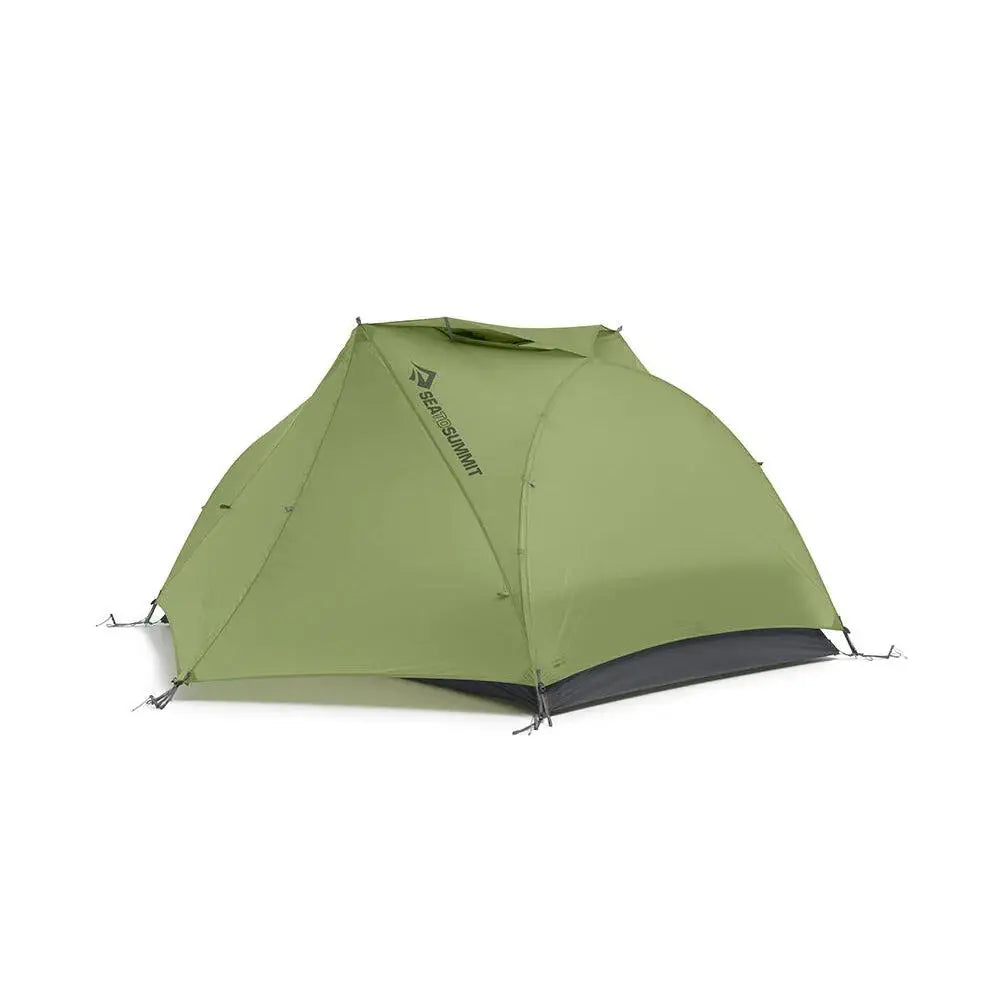
- Sea to Summit's Telos TR2 Plus is a freestanding, double-wall, 3+ season tent using 15-denier ripstop nylon for the rainfly (1200mm hydrostatic head waterproof rating) and a more rugged 20 to 30-denier ripstop nylon floor (up to 4000mm hydrostatic head), with DAC Featherlite aluminium poles, adjustable venting to manage condensation, and reliable YKK zippers throughout. The Ikos TR3 shares the same engineering in a 3-person size.
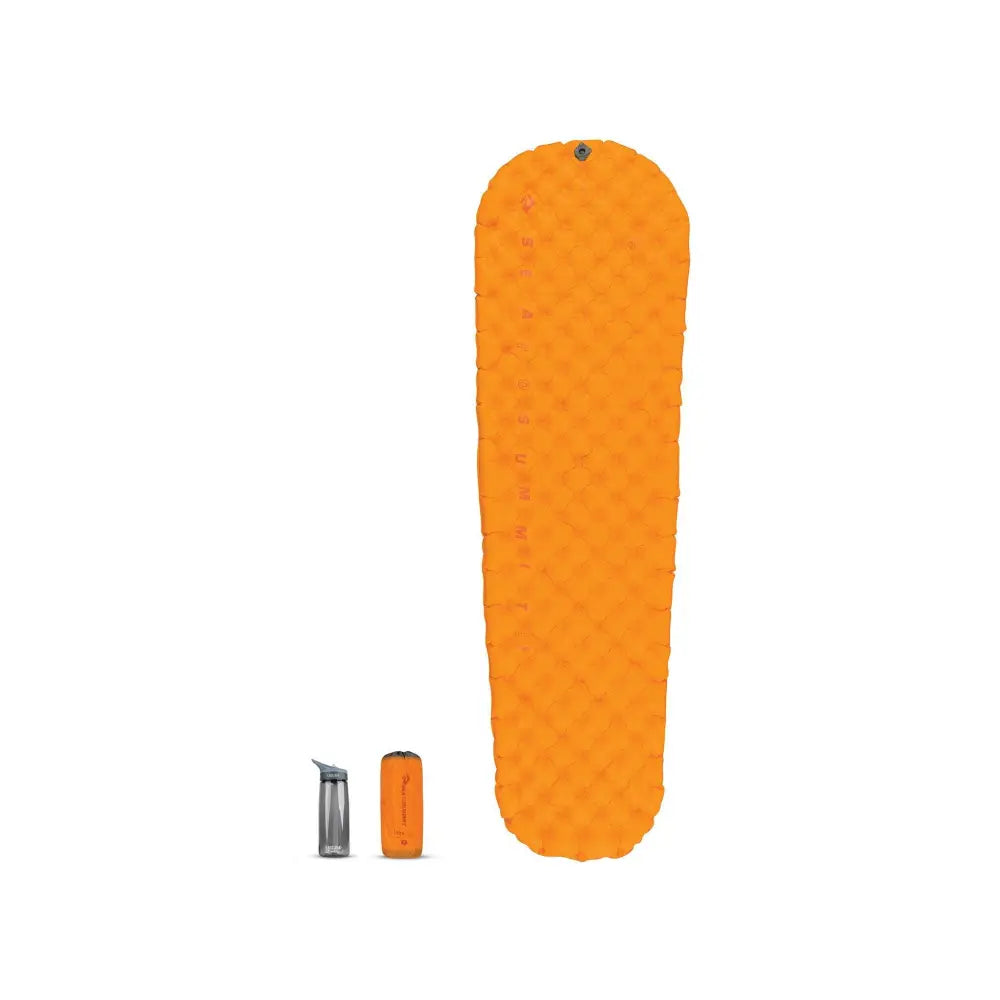
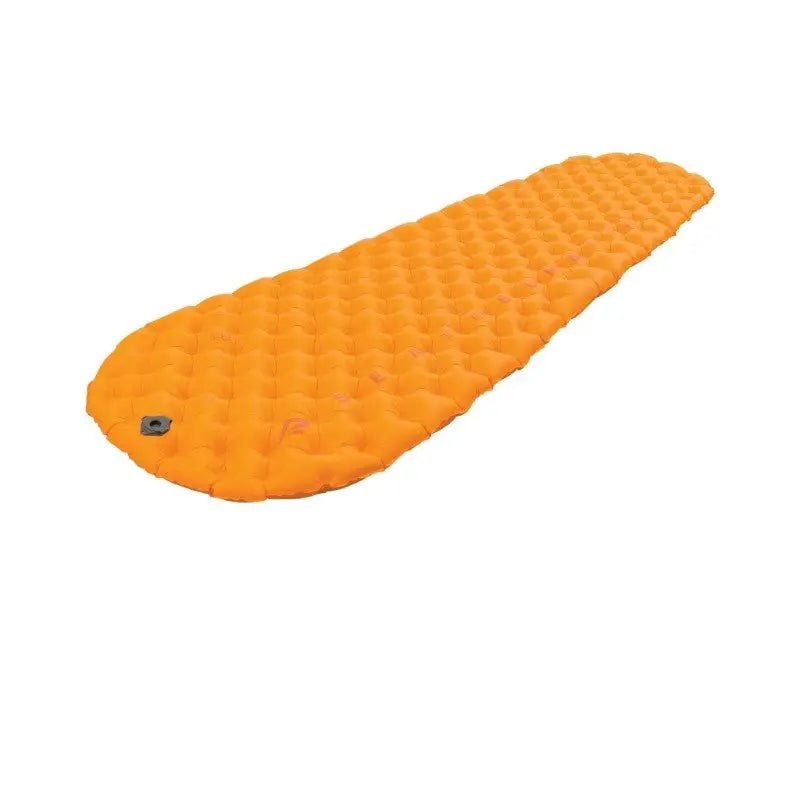
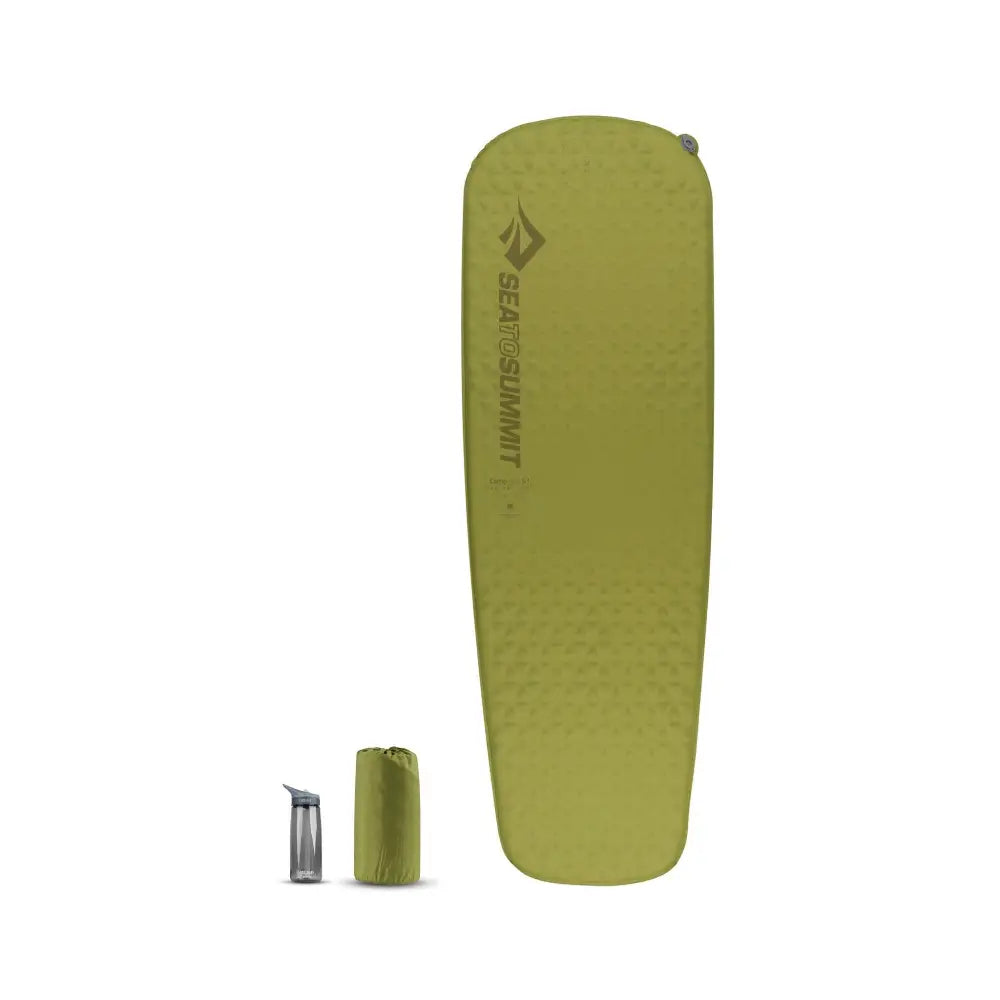
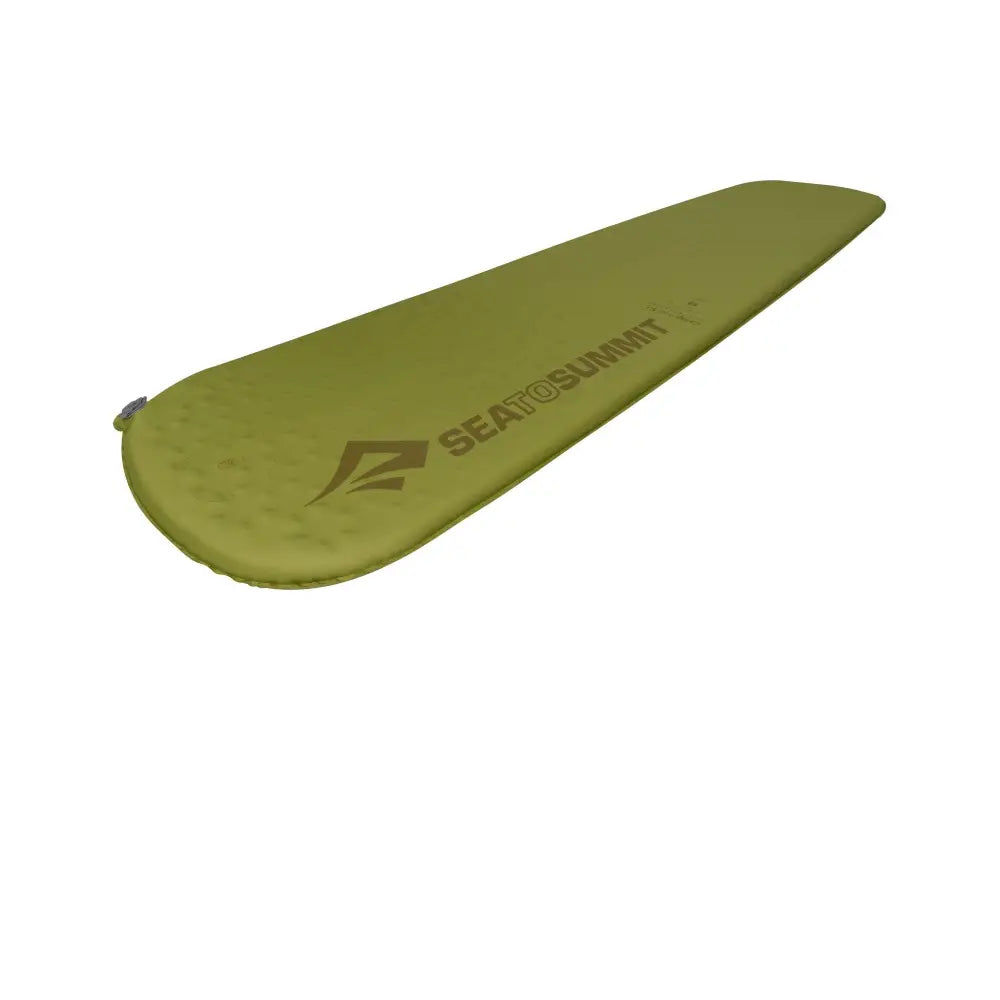
- Sea to Summit's sleeping mats (Ultralight Insulated Air Mat, Camp Self-Inflating Mat) and sleeping bag liners (Reactor Extreme, Silk Blend) round out a full sleep system alongside the tents.
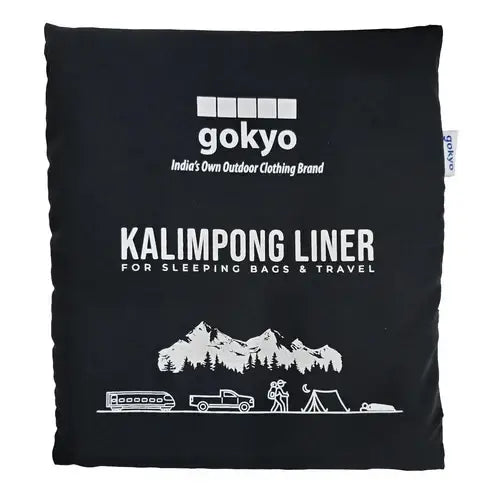
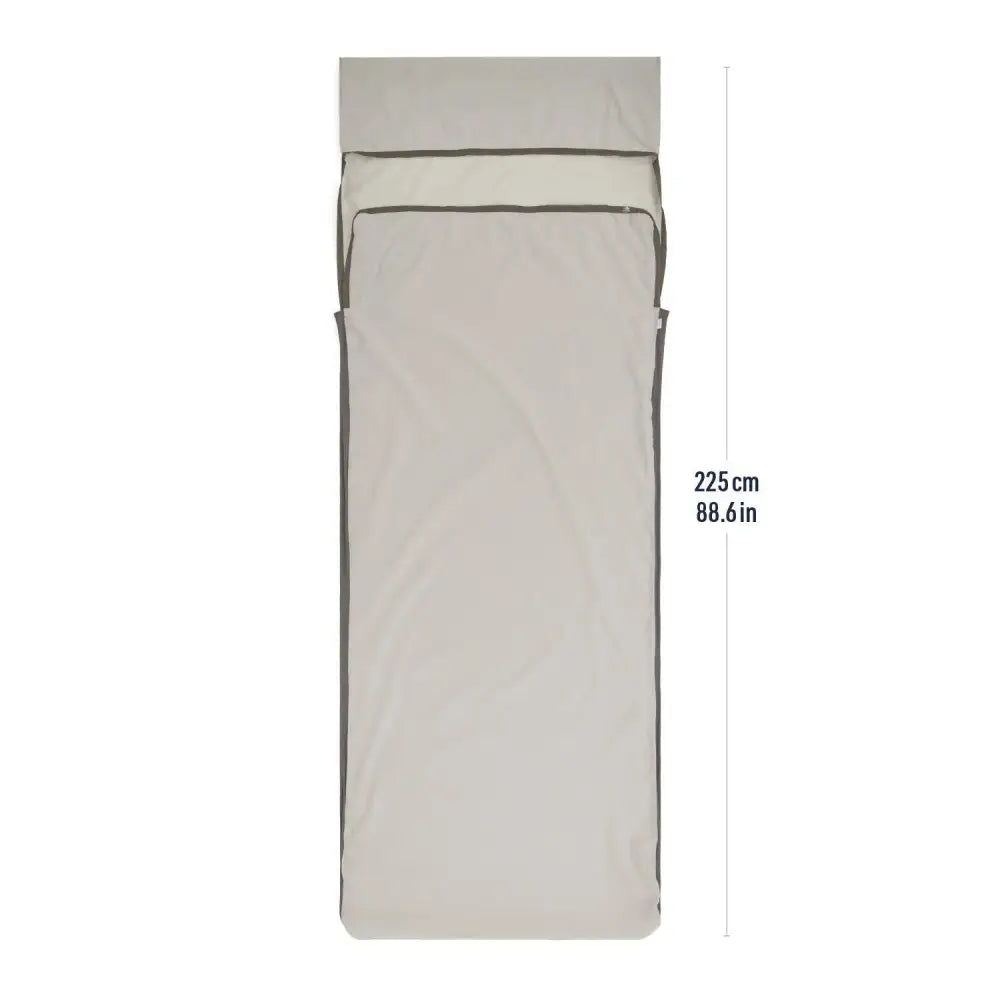
- Gokyo's sleeping bag liners (Voyager, Kalimpong) are designed to add insulation and hygiene protection inside an existing sleeping bag, useful for extending a bag's usable temperature range or keeping it clean on multi-day treks without washing the bag itself.
Choosing Between a Sleeping Bag and a Liner
A sleeping bag on its own is the core piece for anything below room temperature. A liner isn't a replacement, it adds a few degrees of extra warmth inside an existing bag, and doubles as a hygiene layer for rented or shared gear. Gokyo's and Sea to Summit's liner ranges both work this way, worth adding if you're pushing a bag toward the cold end of its comfort rating rather than buying an entirely warmer bag.
Our Picks
- Tripole's Shivalik Series -10°C Comfort Sleeping Bag: 100% nylon shell, siliconized polyester filling, Velcro-locked zippers. Rated 5.0/5 from 4 reviews.
- Adventure Worx's High Altitude -10°C Sleeping Bag: zero-quilting construction, zip draft tube, built for Himalayan trekking. Rated 4.69/5 from 13 reviews, the best-reviewed sleeping bag in the collection.
- Sea to Summit's Telos TR2 Plus, Two Person Freestanding Tent: 15-denier ripstop nylon fly, 3+ season rated, adjustable venting. Rated 4.83/5 from 6 reviews.
- Sea to Summit's Ultralight Insulated Air Sleeping Mat: rated 4.75/5 from 4 reviews.
- Tripole's Camp Series Envelope 20°C Sleeping Bag: polyester shell and synthetic polyfill, built for summer camping and warm-weather trekking. Rated 5.0/5 from 2 reviews.
Shop by Activity: Hike & Trek | Camp & Safari
Pair a sleeping system with Camp Kitchen gear and a Rucksack for a complete multi-day camping kit.
FAQs
- What temperature rating do I need for a Himalayan trek? For genuine high-altitude winter conditions, look at a -10°C or -15°C rated bag, like Tripole's Zanskar Series or Adventure Worx's High Altitude bag. For mid-altitude routes in cooler months, a 0°C to -5°C bag is usually enough.
- What's the difference between the Tripole Shivalik and Zanskar series? The Shivalik series uses a nylon shell with siliconized polyester filling, rated down to -10°C. The Zanskar series adds a fleece inner lining on top of a water-repellent shell specifically for colder conditions down to -15°C.
- Is a sleeping bag liner necessary, or just a nice-to-have? It's an add-on rather than a replacement. A liner adds a few extra degrees of warmth to an existing bag and works as a hygiene layer, useful if you're pushing a bag near its comfort limit or using rented gear.
- What does hydrostatic head mean on the Sea to Summit Telos TR2 Plus? It's a measure of how much water pressure the fabric can resist before leaking. The rainfly's 1200mm rating and the floor's higher rating (up to 4000mm) both indicate genuine waterproof performance, not just water resistance.
- Is the Adventure Worx High Altitude bag suitable for use outside a tent? No, it's designed for use under shelter, inside a tent, hut, or similar cover, in extreme cold conditions, not for open-air exposure.
- What's the difference between a mummy-shaped and rectangular sleeping bag? Mummy-shaped bags taper toward the feet and include a hood, minimizing heat loss and working best in genuinely cold conditions. Rectangular bags like Tripole's Camp Series Envelope give more room to move and can open flat into a quilt, better suited to milder, summer-weather camping.
- What sizes and person-capacities are available across this collection? Sleeping bags fit up to 6'2" in most cases. Tents range from 1-person to 3-person (the Sea to Summit Ikos TR3), with Small, Medium, and Large sizing on sleeping mats.
- What's the price range for Tents & Sleep Systems? ₹699 for Gokyo's Voyager Liner up to ₹66,089 for Sea to Summit's Telos TR2 Plus, the most premium tent in the collection.
Browse Tents | Sleep Systems Products





![Sea to Summit Ground Control Tent Pegs - [8 Pack] - Blue / One Size - Tents](http://outdoorgoats.com/cdn/shop/files/sea-to-summit-ground-control-tent-pegs-8-pack-blue-one-size-tents-893.webp?v=1777464223&width=800)
![Sea to Summit Ground Control Tent Pegs - [8 Pack] - Blue / One Size - Tents](http://outdoorgoats.com/cdn/shop/files/sea-to-summit-ground-control-tent-pegs-8-pack-blue-one-size-tents-784.webp?v=1777464227&width=800)



Buy Tents | Sleep Systems
Outdoor Goats carries tents and sleep systems from 4 brands, Tripole, Sea to Summit, Adventure Worx, and Gokyo, priced ₹699 to ₹66,089. The range spans budget sleeping bag liners through to freestanding backpacking tents, with sleeping bags covering everything from 20°C summer camping to -15°C Himalayan winter treks.
Matching a Sleeping Bag to the Season
A sleeping bag's temperature rating tells you the lowest temperature it's designed to keep you comfortable at, not the coldest it can technically survive. For summer camping and monsoon-season treks in warmer regions, a 20°C or 10°C rated bag is enough. For the cooler months in the Sahyadris or mid-altitude Himalayan routes, a 0°C to -5°C bag covers most conditions. For genuine winter expeditions or high-altitude Himalayan treks, step up to a -10°C or -15°C rated bag, and expect to layer with warm clothing regardless of rating, since comfort ratings vary by individual and conditions.
What to Look for in Each Brand
- Tripole's Shivalik Series uses a 100% nylon outer and inner shell with a siliconized polyester filling, rated 0°C comfort (usable to around -5°C with extra layers) or -10°C comfort depending on the variant. It includes an internal utility pocket, double-sided zippers with a Velcro lock to stop accidental opening, and extra padding over the chest and head area.
- Tripole's Camp Series Envelope bags use a 100% polyester shell with synthetic polyfill, in 20°C, 10°C, and similar comfort ratings for warmer-weather camping. The rectangular shape opens flat into a full quilt and can cover up to two people as an upper layer.
- Tripole's Zanskar Series adds a fleece inner lining on top of a water-repellent shell, built specifically for genuinely cold conditions down to -15°C, in a mummy shape for minimal heat loss.
- Adventure Worx's High Altitude sleeping bag (-10°C) uses a fine-yarn woven, uncoated, lightweight fabric with a zero-quilting construction to reduce heat loss through seams, a full side zipper with a zip draft tube, and a drawcord hood and neck closure to lock in warmth. It's built specifically for Himalayan trekking and high-altitude use.
- Sea to Summit's Telos TR2 Plus is a freestanding, double-wall, 3+ season tent using 15-denier ripstop nylon for the rainfly (1200mm hydrostatic head waterproof rating) and a more rugged 20 to 30-denier ripstop nylon floor (up to 4000mm hydrostatic head), with DAC Featherlite aluminium poles, adjustable venting to manage condensation, and reliable YKK zippers throughout. The Ikos TR3 shares the same engineering in a 3-person size.
- Sea to Summit's sleeping mats (Ultralight Insulated Air Mat, Camp Self-Inflating Mat) and sleeping bag liners (Reactor Extreme, Silk Blend) round out a full sleep system alongside the tents.
- Gokyo's sleeping bag liners (Voyager, Kalimpong) are designed to add insulation and hygiene protection inside an existing sleeping bag, useful for extending a bag's usable temperature range or keeping it clean on multi-day treks without washing the bag itself.
Choosing Between a Sleeping Bag and a Liner
A sleeping bag on its own is the core piece for anything below room temperature. A liner isn't a replacement, it adds a few degrees of extra warmth inside an existing bag, and doubles as a hygiene layer for rented or shared gear. Gokyo's and Sea to Summit's liner ranges both work this way, worth adding if you're pushing a bag toward the cold end of its comfort rating rather than buying an entirely warmer bag.
Our Picks
- Tripole's Shivalik Series -10°C Comfort Sleeping Bag: 100% nylon shell, siliconized polyester filling, Velcro-locked zippers. Rated 5.0/5 from 4 reviews.
- Adventure Worx's High Altitude -10°C Sleeping Bag: zero-quilting construction, zip draft tube, built for Himalayan trekking. Rated 4.69/5 from 13 reviews, the best-reviewed sleeping bag in the collection.
- Sea to Summit's Telos TR2 Plus, Two Person Freestanding Tent: 15-denier ripstop nylon fly, 3+ season rated, adjustable venting. Rated 4.83/5 from 6 reviews.
- Sea to Summit's Ultralight Insulated Air Sleeping Mat: rated 4.75/5 from 4 reviews.
- Tripole's Camp Series Envelope 20°C Sleeping Bag: polyester shell and synthetic polyfill, built for summer camping and warm-weather trekking. Rated 5.0/5 from 2 reviews.
Shop by Activity: Hike & Trek | Camp & Safari
Pair a sleeping system with Camp Kitchen gear and a Rucksack for a complete multi-day camping kit.
FAQs
- What temperature rating do I need for a Himalayan trek? For genuine high-altitude winter conditions, look at a -10°C or -15°C rated bag, like Tripole's Zanskar Series or Adventure Worx's High Altitude bag. For mid-altitude routes in cooler months, a 0°C to -5°C bag is usually enough.
- What's the difference between the Tripole Shivalik and Zanskar series? The Shivalik series uses a nylon shell with siliconized polyester filling, rated down to -10°C. The Zanskar series adds a fleece inner lining on top of a water-repellent shell specifically for colder conditions down to -15°C.
- Is a sleeping bag liner necessary, or just a nice-to-have? It's an add-on rather than a replacement. A liner adds a few extra degrees of warmth to an existing bag and works as a hygiene layer, useful if you're pushing a bag near its comfort limit or using rented gear.
- What does hydrostatic head mean on the Sea to Summit Telos TR2 Plus? It's a measure of how much water pressure the fabric can resist before leaking. The rainfly's 1200mm rating and the floor's higher rating (up to 4000mm) both indicate genuine waterproof performance, not just water resistance.
- Is the Adventure Worx High Altitude bag suitable for use outside a tent? No, it's designed for use under shelter, inside a tent, hut, or similar cover, in extreme cold conditions, not for open-air exposure.
- What's the difference between a mummy-shaped and rectangular sleeping bag? Mummy-shaped bags taper toward the feet and include a hood, minimizing heat loss and working best in genuinely cold conditions. Rectangular bags like Tripole's Camp Series Envelope give more room to move and can open flat into a quilt, better suited to milder, summer-weather camping.
- What sizes and person-capacities are available across this collection? Sleeping bags fit up to 6'2" in most cases. Tents range from 1-person to 3-person (the Sea to Summit Ikos TR3), with Small, Medium, and Large sizing on sleeping mats.
- What's the price range for Tents & Sleep Systems? ₹699 for Gokyo's Voyager Liner up to ₹66,089 for Sea to Summit's Telos TR2 Plus, the most premium tent in the collection.
Tents | Sleep Systems Price List
Data last updated on 18/10/2026


